
Burnout Tracking: How to Know When You're Running on Empty (And What to Do)
Key Takeaways
Recognizing the early signs of workplace exhaustion is essential for long-term professional health. Use these five points to guide your prevention and recovery strategy.
- Chronic fatigue often manifests as sustained energy depletion rather than simple daily exhaustion.
- Monitoring behavioral shifts, such as increasing cynicism at work, acts as a primary warning signal.
- Consistent data collection across various metric types allows for objective analysis of your stress levels.
- Choosing a tool that fits your specific needs ensures consistent usage and higher quality insights.
- Establishing sustainable boundaries remains the most effective method for maintaining recovery beyond the initial intervention.
Understanding the physical and emotional workplace burnout signs
Chronic fatigue versus temporary tiredness
Many professionals confuse standard daily weariness with something more systemic. When you finish a day, feeling simple tiredness is natural, but what is burnout involves a persistent fatigue that sleep alone cannot resolve. This state creates a persistent mental drain that lingers regardless of how much rest you schedule on the weekend. If your exhaustion remains static for weeks at a time, it is likely a symptom of deeper, systemic workplace fatigue.
The shift in professional detachment and cynicism
Beyond simple tiredness, burnout often alters how you perceive your role within a company. You might find yourself withdrawing from social interactions at the office or becoming unusually critical of tasks you previously performed with pride. In reality, according to the Maslach Burnout Model, this detachment serves as a defense mechanism against the overwhelming requirements of your environment. Recognizing this shift early is a key step in diagnosing your current level of professional burnout.
Reduced performance and diminished sense of accomplishment
It is common for those nearing burnout to experience a creeping sense of ineffectiveness. You might complete tasks, but the internal satisfaction that once accompanied them has evaporated. This lack of perceived progress often accelerates the entire burnout cycle, leading to a diminished sense of accomplishment that is hard to shake. When work feels like a sequence of hollow obligations rather than meaningful output, it is time to reassess your workload.
Physical symptoms linked to mental exhaustion
Your body usually voices its disapproval before your mind completely admits to overload. Common indicators include recurring tension headaches, gastrointestinal discomfort, and increased susceptibility to minor illnesses. These markers are not random; they are physiological responses to the stress sustained by high-cortisol environments. Ignoring these signals usually leads to even longer periods of needed, yet delayed, recovery.
The science and strategy behind burnout tracking
Why consistency in data collection matters
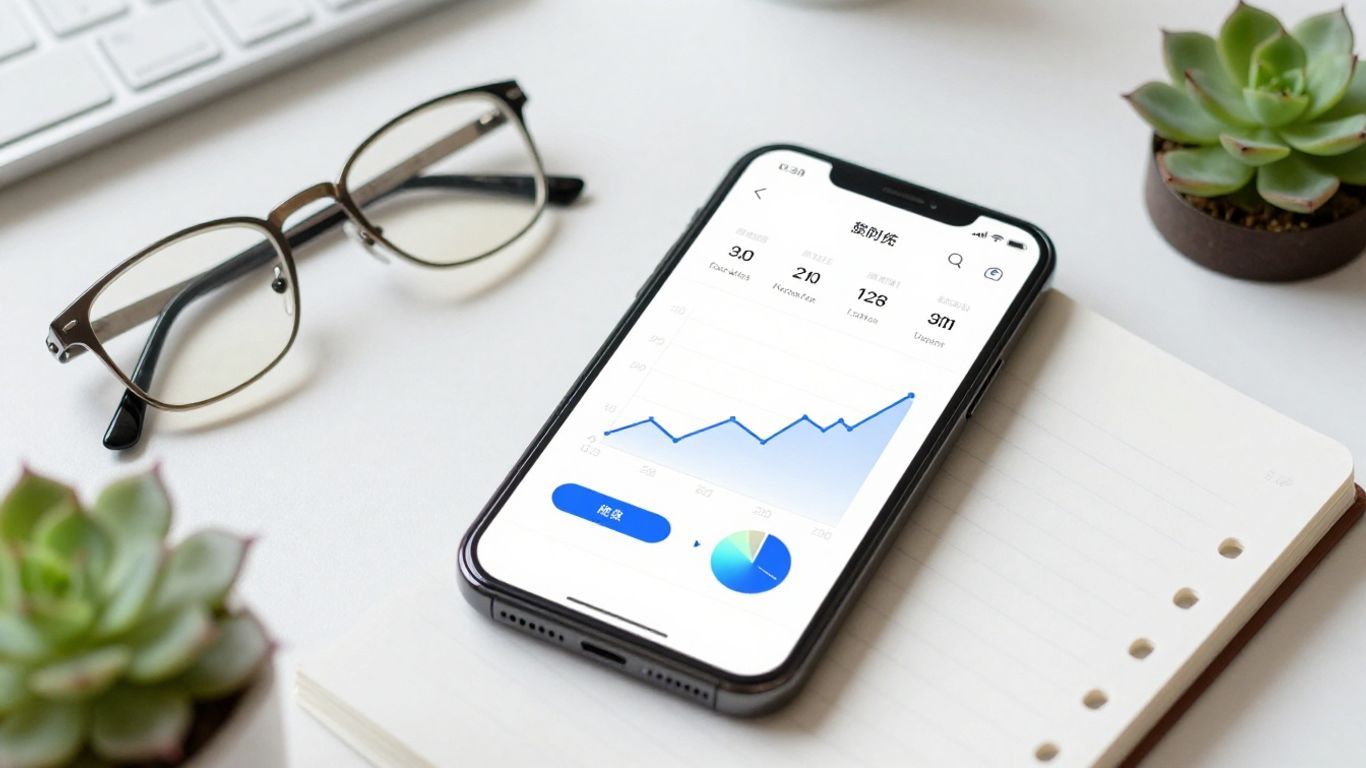
Data consistency allows you to compare your current state against past baselines, making it easier to spot deviations as they emerge. By capturing logs regularly, you build a granular record of how your energy fluctuates throughout the work week. With MoodMash managing these different data streams, users can organize their mood logs alongside other performance markers to maintain a reliable record of their professional life.
Identifying personal triggers and unique stress patterns
Tracking serves as an diagnostic mirror for your daily environment. You might assume your stress is universal, but logging data reveals that your specific triggers are actually contextual, such as specific times of day or interaction types. Once you identify these patterns, you can categorize your daily inputs effectively within the five data types supported by MoodMash to see what truly fuels your exhaustion.
Distinguishing between common workday stress and chronic burnout
Developing a objective view of your stress requires separating short-term spikes from long-term trends. Standard stress might relate to a single deadline, whereas chronic burnout shows as a flat, low-energy trend on your data charts. Understanding this distinction is vital for accurate self-diagnosis, as the remediation strategies for a bad week differ significantly from those for clinical-level occupational stress.
How tracking builds self-awareness and accountability
| Tracked Metric | Potential Burnout Indicator | Impact Frequency |
|---|---|---|
| Daily Mood | Consistent irritability | High |
| Task Completion | Delayed deadlines | Moderate |
| Energy Levels | Morning sluggishness | Constant |
Tracking establishes a system of accountability that forces you to acknowledge your trends rather than ignoring them. You no longer need to rely purely on your intuition, which is often biased toward pushing through discomfort; instead, you depend on the objective evidence collected in your logs. This approach ensures that you treat your wellness as a manageable professional task.
How to choose a reliable burnout mood tracker
Evaluating features for clinical versus casual use
Selecting the right tool for tracking requires comparing different burnout recovery and prevention apps to see which aligns with your personal commitment level. Casual trackers might offer basic feeling logs, whereas more robust platforms provide integrated sentiment trends that correlate with your workload. Ensure the tool you pick matches your need for either daily check-ins or more intensive, analytical data reviews.
Privacy and data security considerations for sensitive input
Because your professional feedback and health data constitute sensitive information, security should weigh heavily in your choice of software. You need a platform that prioritizes encrypted storage for your personal logs, ensuring your reflections remain private. Review the developer's stance on data ownership to confirm that your inputs are not being processed in ways that compromise your professional standing.
Customizing metrics for your specific work environment
Every professional role influences stress in a unique way, so your tracking tools should offer flexibility. You want the ability to customize your inputs so they reflect your specific challenges, whether that means tracking team interactions, project volume, or personal meeting counts. A one-size-fits-all approach often fails to capture the nuance of burnout, so look for a platform that allows for modular data entry.
The importance of intuitive user experience and non-intrusive reminders
Complexity is the enemy of consistent habit formation when it comes to mood tracking. A platform that feels like an administrative burden will be abandoned within days, while one that provides swift, seamless check-ins becomes a permanent habit. Opt for a tool where the interface feels natural, allowing you to log your thoughts or mood scores in under a minute without extensive menu navigation.
Maximizing an emotional exhaustion app for recovery

Leveraging guided reflections to process daily stressors
Structured reflection helps you extract learning from difficult periods rather than just enduring them. When using a specialized burnout diagnosis tool, use the guided prompts to break down what occurred during your day that drained your resources. This practice transforms vague feelings of overwhelm into clearly identified hurdles, making it easier to solve your problems systematically.
Utilizing mood trends to predict high-risk periods
Once you have a baseline of data, you can begin to anticipate when your energy levels are likely to dip before they hit critical levels. If your logs typically show a mid-week decline that leads to extreme fatigue by Friday, you can consciously schedule lighter work for those days. Using MoodMash to facilitate these insights is essential for maintaining control over your professional recovery cycle.
Sharing aggregated insights with support systems
Sharing your progress or challenges with a manager or a mentor can be a powerful way to secure the support you need. The platform should ideally allow for the aggregation of your logs into clear, professional reports that summarize your current state without revealing private, granular commentary. This creates a data-backed foundation for conversations about role clarity and workload adjustments.
Integrating app usage with broader mindfulness practices
Technology is only one component of a holistic recovery strategy. Your digital tracking should complement physical activities like intentional rest, light cardiovascular movement, or structured meditation cycles. The app should be a tool that prompts your daily behavior, reminding you to step away from your workstation rather than tethering you to the screen.
Actionable steps when your tracking signals burnout
Advocating for workplace adjustments and role clarity
When your data confirms that your burnout is tied to specific environmental factors, you must be prepared to have professional conversations about your role. Use your findings to point out task redundancies and suggest clear priorities for your time. This process is about setting realistic parameters for what you can achieve while maintaining your performance and your personal well-being.
Prioritizing immediate rest and physiological recovery
Recovery from a work burnout cycle often requires a deliberate stoppage of the activities that caused the strain in the first place. You must view rest as an essential recovery duty rather than an optional indulgence. This could involve clearing your calendar for several days or establishing a hard stop time for work that you do not negotiate under any circumstances.
Seeking professional intervention for clinical-level symptoms
Data can confirm the presence of burnout, but it cannot fix the most severe physiological manifestations. If your markers indicate that your health is actively declining, you must consult with a healthcare professional. Clinical burnout requires targeted, therapeutic support, and your tracking metrics can serve as valuable information to share with a doctor or counselor during your check-ups.
Reassessing long-term career goals and environmental compatibility
Sometimes, burnout signals that your current role or industry is no longer in alignment with your personal or energetic capacity. Use this phase of recovery to honestly appraise whether your workplace environment can ever be truly sustainable. Sometimes the most actionable step is not to fix your current situation, but to plan a transition that favors your long-term health.
Sustaining change beyond initial recovery
Building sustainable boundaries around work hours
After you recover, you must guard your time with extreme discipline to avoid falling back into the same habits. This means setting clear expectations with your team regarding when you are available and when you are disconnected. If you do not enforce these boundaries, the environmental pressures that caused your burnout will eventually reassert themselves.
Establishing non-negotiable downtime and recharging rituals
Rituals are the foundation of consistency, so integrate downtime into your weekly plan as you would any other critical meeting. Whether it is a weekend hobby, consistent exercise, or total digital disconnection, ensure your recharging time is shielded from workplace interruptions. This non-negotiable approach forces you to view your downtime as the fuel for your next week's excellence.
Periodic reassessment of personal burnout risk factors
Check in with your personal data on a regular timeline, such as once every month, to review your trend lines. Even if you feel healthy now, spotting shifts in how you perceive your workload helps you stay ahead of potential downward cycles. This periodic review allows you to calibrate your stress management strategies before you lose the ability to easily course-correct.
Maintaining healthy coping mechanisms during high-stress periods
Stress is inevitable in any career, but how you respond to it can change entirely. Build a portfolio of healthy coping strategies, such as physical exertion or creative outlets, that you can turn to when the pressure mounts. By consciously selecting these responses, you ensure that you handle high-stress moments by fortifying your energy rather than depleting it through unhealthy avoidance, and you can organize your ongoing efforts through MoodMash to keep your progress clear and your recovery ongoing.
Conclusion
Achieving balance is not a one-time adjustment but a continuous process of observation and self-regulation. By leveraging accurate tracking, you gain the clarity needed to identify when your professional environment requires modification and when your habits need refinement. Prioritize the objective signals provided by your daily tools, honor your physical needs, and maintain the professional boundaries necessary to protect your energy across the long term.
Frequently Asked Questions
Is burnout considered a medical condition?
The World Health Organization classifies burnout as an occupational phenomenon clearly linked to chronic workplace stress that has not been successfully managed.
Can you fully recover from burnout through self-care alone?
While personal lifestyle changes are critical for recovery, professional intervention is often necessary if symptoms are severe, as burnout involves complex environmental and physiological damage.
How often should I check my burnout tracking data?
Consistent daily logging is most effective for pattern recognition, but you should review your aggregated trends weekly or monthly to make meaningful adjustments to your routine.
Do physical symptoms always accompany career burnout?
Physical indicators like headaches and fatigue are common signs that your mental resilience has been exceeded, though everyone experiences the manifestation of stress differently.
Will tracking burnout metrics actually reduce my stress?
Tracking reduces the anxiety associated with the unknown by providing clear, actionable data about when your environment is becoming unsustainable, allowing for proactive adjustments.
Can professional burnout lead to other health problems?
Untreated chronic stress can negatively impact cardiovascular health, sleep patterns, and the immune system, making early identification of burnout symptoms incredibly important for your long-term health.
Do I need to be a data expert to use a mood tracker effectively?
Modern tracking tools are designed for intuitive use, requiring simple, minimal input to generate the insights necessary for identifying your unique stress triggers.