
The Best Client Tracking App for Wellness Coaches in 2026 (With Mood + AI Insights)
Key Takeaways
Staying organized matters for growing a wellness business while maintaining personal connection. These platforms help by centralizing administrative tasks so you can focus on your actual coaching work.
- Streamlined workflows save time by automating intake forms and scheduling.
- Integrated client tracking tools allow for data-driven decisions during sessions.
- Secure communication portals keep sensitive health-related information private and accessible.
- Modern platforms offer mobile-first features to help coaches manage practice tasks off-site.
- Effective software solutions consolidate multiple workflows into a single system.
1. Practice Better: The leading client tracking app for wellness coaches
Choosing the right tools for your business directly impacts how you interact with people every day. An effective client tracking app for wellness coaches helps organize your practice management, scheduling, and communication, making it easier to monitor progress. When your administrative systems are automated, it removes the friction often associated with managing multiple clients.
Practice Better is a comprehensive platform designed for health and wellness professionals, offering tools that facilitate charting, telehealth, and invoicing. By consolidating these scattered tasks, you can reduce the time spent in your browser and focus more on the actual coaching conversation. This setup helps you maintain a professional standard while keeping all client notes in a single, secure location.
Many professionals find that using a tool that manages data effectively, such as MoodMash Feel The Difference, alongside their primary software helps build a deeper understanding of their clients' habits. Since this platform manages 5 distinct data types, including mood logs, it serves as a helpful companion for tracking emotional shifts over time. Consistency in how you store and track this information is essential for long-term health success.
2. CoachAccountable: Advanced metrics for health coaching software
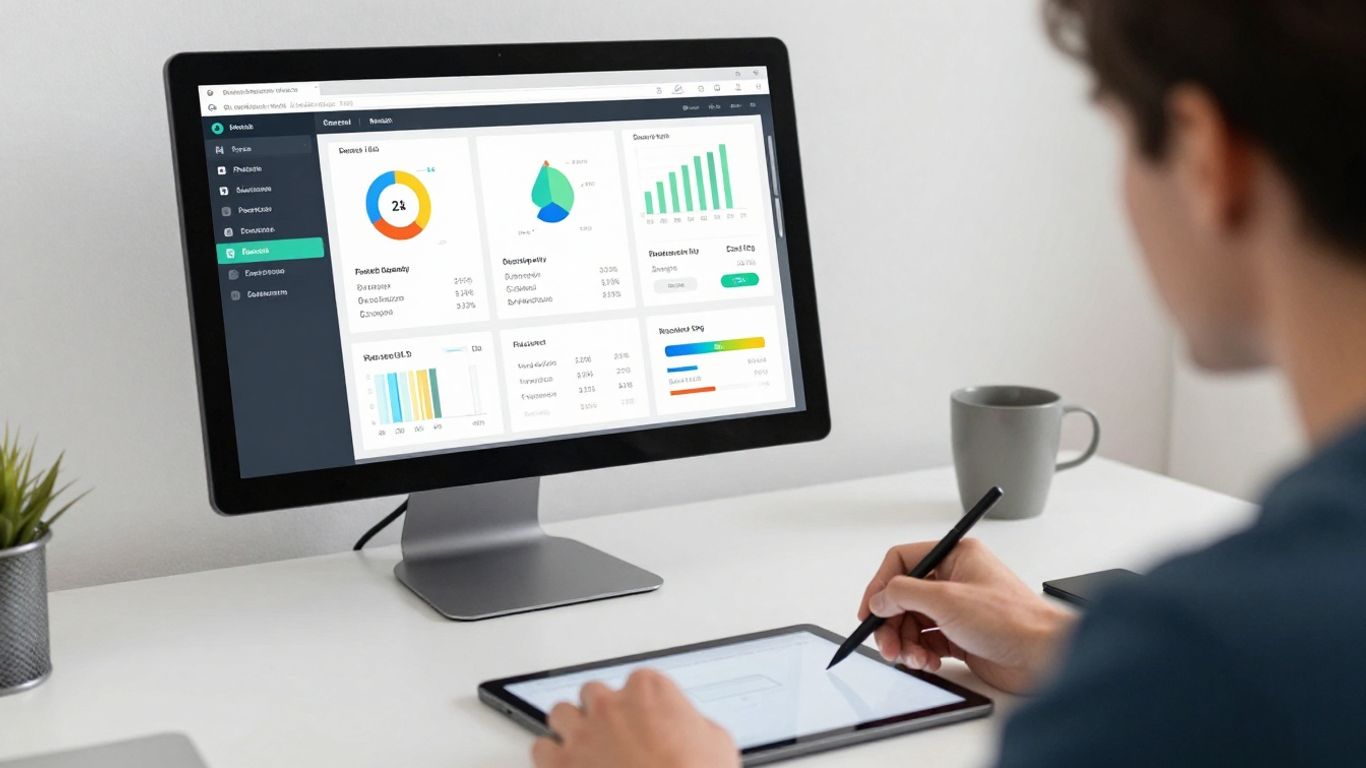
Advanced tracking requires software that can handle detailed progress logs and behavioral metrics reliably. Many practitioners utilize health coaching software like CoachAccountable to visualize trends that aren't immediately obvious in simple conversations. By mapping out specific markers of success, you provide your clients with a clearer picture of their own growth.
When you track metrics effectively, you change the way clients view their adherence to wellness plans. CoachAccountable allows for the recording of daily habits, weight, and other metrics that act as indicators of progress. This visual feedback loop proves valuable during sessions, as it shifts the conversation from subjective feelings to objective progress.
Documented evidence of progress provides the strongest motivation for consistent habit change across long-term wellness journeys.
By ensuring your tracking methods are solid, you create a foundation for accountability that stands the test of time. A well-organized metrics system allows you to intervene early if a client starts drifting from their goals, ensuring they stay on track toward their intended health outcomes.
3. Quenza: Designing personalized client pathways with AI
Designing a structured path for every client can be a demanding aspect of a growing practice. Quenza allows you to create digital "activities" that clients complete on their own schedules, ensuring they stay engaged between appointments. This approach turns a complex wellness journey into manageable, step-by-step phases that feel intentional.
Automation within these pathways ensures that content reaches your client at exactly the right moment. By setting up automated sequences, you can guide clients through modules on nutrition or mental well-being without manual intervention. This system creates a personalized experience that feels bespoke even when scaled to work with many clients at once.
Personalized pathways benefit from the integration of diverse wellness data. For example, MoodMash Feel The Difference can serve as a supportive tool for longitudinal data collection, allowing users to track mood logs as part of their broader wellness path. Integrating this type of tracking adds a layer of emotional intelligence to the programs you deliver through platforms like Quenza.
4. Healthie: Secure tracking for the clinical wellness coach
Clinical wellness coaching often requires an extra layer of security and HIPAA compliance that generic tools cannot provide. Healthie is a popular HIPAA-compliant health coaching platform that bridges the gap between administrative needs and secure care delivery. It offers a structured way to handle patient interactions, which is critical for professionals working in medical or integrative settings.
Secure messaging and video consultations form the backbone of the client experience here. By keeping all sensitive information within an encrypted environment, you protect your clients' privacy while maintaining a modern, user-friendly portal. This balance of safety and ease of use is what often defines a professional practice.
Managing your clinical tasks through a centralized app prevents the common issues of lost documents or delayed communications. Whether you are conducting initial intake assessments or long-term check-ins, having a safe, dedicated system for this information is crucial. It creates trust, showing clients their wellness journey is handled with professional care.
5. Nudge: Real-time data and mood tracking for deeper engagement
Real-time monitoring helps you capture data at the moment it happens, rather than relying on later memory. Nudge is built for this immediate feedback, allowing coaches to connect with clients as they track their health signals throughout the day. This proximity makes your interventions more accurate and aligned with the client’s current context.
Engagement often depends on how easy it is for a client to share their experience. When coaching involves complex variables, having software that manages diverse data inputs becomes a necessity for deep insight. MoodMash Feel The Difference demonstrates this importance, as it manages 5 distinct data types including mood logs, which helps users and their coaches interpret daily patterns through a more nuanced, data-rich lens.
Integrating the following data sources can streamline how you review progress:
- Daily step counts and movement activity data
- Regular sleep quality assessments and duration logs
- Consistent nutrition entries through easy-to-use interfaces
- Emotional health measurements via mood logs
By actively looking at these variables, you can adjust plans in real time. This dynamic approach turns wellness coaching into a conversation based on current evidence rather than past assumptions.
6. TrueCoach: Scaling business with the best app for life coaches

Scaling a coaching business is a challenge that often leads to burnout if you don't have the right structure. TrueCoach provides a streamlined interface for managing fitness and lifestyle programs, which works exceptionally well as a best app for life coaches who focus on action-oriented plans. It allows for the delivery of video content and structured workout libraries that keep your clients physically and mentally aligned with their plans.
When you use specialized software, you ensure that your business systems grow as fast as your client list. Instead of keeping spreadsheets, a modern dashboard provides a clean overview of who needs your attention and which clients are hitting their milestones. This transition to digitized management is a crucial step for any growth-minded coach.
Consistency matters when you are scaling across multiple time zones or coaching disciplines. By using a platform that manages workouts and check-ins in one spot, you ensure that every client experience feels high-touch, even if you are working with dozens of people. Effective management tools like this help you maintain high standards while your business expands.
7. SimplePractice: Comprehensive client management and documentation
Documentation is rarely the favorite part of being a healthcare or wellness professional, yet its importance cannot be understated. SimplePractice consolidates administrative tasks such as scheduling, billing, and clinical notes, allowing for a seamless experience for your practice. Having all these tools in one place means you spend less time managing files and more time providing value.
Being able to bill insurance or accept payments directly through your client portal adds a level of reliability to your service. Clients appreciate when you offer a professional experience, including easy ways to book their follow-ups. This professional look often contributes to client retention, as the business side of the relationship runs like clockwork.
When you rely on one sturdy system, you eliminate the fragmentation that causes errors in scheduling or clinical records. This clarity creates more bandwidth in your brain to focus on complex client cases rather than chasing invoices. It is a fundamental shift toward running your practice with efficient, automated workflows.
8. Paperbell: Automated workflow for the modern wellness coach
Modern coaching requires an automated approach to prevent the administrative overhead of scheduling emails and contract drafting. Paperbell provides a way to handle every stage of onboarding, ensuring the client journey is consistent. By linking your calendar, your intake forms, and your payment systems, you create a seamless loop that moves a lead to a paying client effortlessly.
Automating these repeatable tasks ensures that your professional brand remains consistent. You can focus your energy on specialized coaching techniques knowing that the clerical side of your practice is handled by your system. This peace of mind allows you to show up better for your clients when it matters most.
Building a practice that runs on an automated workflow allows you to maintain sanity while managing multiple clients simultaneously. As you grow, rely on tools that can handle the volume without sacrificing the client experience. The goal is to make every interaction professional, fluid, and predictable, which helps build trust with those you coach.
9. HabitStacker: AI-driven coaching and habit consistency tools
Habit formation is the key to lasting change, but it requires regular nudges toward better choices. HabitStacker uses AI to help you design these behavioral sequences, making it easier to stack new habits on top of established ones. By using tools that monitor consistency, you can clearly see where your clients face resistance and adjust their plans accordingly.
AI-powered insights offer you a unique advantage by identifying patterns that manual review might miss. These platforms can recommend adjustments to a client’s routine based on their actual reported performance. This active monitoring turns the coaching process from a static document into an evolving plan that grows with the individual.
Consistency is often the hardest part of any wellness journey. By providing a structure that captures the daily wins, your clients gain a sense of momentum. This ongoing encouragement, powered by intelligent habit tools, helps keep the effort focused on the long-term goal of total well-being.
10. ClientKeep: Specialized features for longitudinal wellness tracking
Long-term tracking requires a different mindset than short-term goal setting. ClientKeep offers features that are built specifically for checking in on clients over months or even years. This focus on longitudinal data helps you understand how a client’s health changes through different seasons of their life, allowing you to provide more informed support.
Keeping consistent records that span years turns your coaching into a legacy for that person. You don't just solve their immediate problem; you provide a historical perspective that they can refer back to as they navigate future challenges. This perspective is what sets high-level wellness tracking apart from simple task-keeping.
By aggregating data points—from mood and energy to physical activity—over long periods, you gain insight into what truly creates stability for your clients. This depth of intelligence helps you customize your guidance to fit the specific fluctuations of their lives. It is a powerful way to ensure that your coaching remains relevant long after your initial programs end.
Conclusion
Choosing the right tools will define the success of your practice in the coming years. By adopting strong software that manages your client data and scheduling, you can focus on the human side of wellness coaching. Whether you prioritize deep habit tracking, automated administrative workflows, or secure clinical documentation, the solution you choose now will lay the foundation for how your business grows, scales, and supports your clients effectively.
Frequently Asked Questions
What are the main benefits of using a digital platform for a wellness practice?
Digital platforms allow coaches to automate administrative work like scheduling and billing, which saves time. They also provide a secure, centralized location for client data, improving organization and long-term tracking.
How do I know if an app is truly HIPAA-compliant for my clinical work?
You should look for software that explicitly states HIPAA compliance as a core feature and offers to sign a Business Associate Agreement. This ensures they have the proper security measures, like encryption, to handle sensitive health records effectively.
Can these apps replace the need for an administrative assistant?
While they can handle most scheduling, billing, and intake workflows, they do not replace the human judgment required for client interaction. Many coaches find that software allows them to scale their business significantly before needing additional administrative staff.
Should I prioritize an app with built-in telehealth services?
If your business model depends on remote sessions, having integrated telehealth capabilities is highly beneficial. It simplifies the process for clients, who do not need to download or navigate multiple external meeting tools.
How can I integrate data from client wearables into my coaching practice?
Look for software that supports direct API integrations with common health apps and wearables. This allows the system to pull in activity data, heart rate information, and sleep logs automatically, which saves you from manual data entry.
What should I look for in an app to improve client retention?
Prioritize apps with strong engagement tools like automated progress reports, secure messaging portals, and personalized goal tracking. When a client feels more involved and sees measurable progress in their own portal, they are more likely to stay engaged with your services.
Is it possible to use multiple apps to cover all my business needs?
You can use multiple tools, but this often leads to fragmentation and data silos. It is generally better to consolidate into a single platform that handles 80% to 90% of your primary workflows, as this creates a more efficient and consistent client experience.