
MoodMash vs. Headspace: Mood Tracking + Coaching vs. Meditation Only
Key Takeaways
Choosing the right digital support tool requires understanding the specific mix of tracking, meditation, and interactive coaching you need for your goals. This article helps you distinguish between platforms based on their core methodologies and intended utility.
- MoodMash centralizes five critical data types for nuanced personal insight
- Headspace focuses on meditation as the primary vehicle for stress relief
- Quantitative tracking provides verifiable data on personal progress over time
- Interface design plays a major role in how often users return to apps
- Price-to-value assessment is vital given the varying subscription models available
Platform philosophy and core methodology
At the start of your wellness journey, distinguishing between platforms is essential. Whether you are looking for MoodMash vs Headspace, Headspace alternative, Headspace vs mood tracking app, Headspace competitor 2026 dynamics or a specific feature set, the philosophy behind the software dictates your experience.
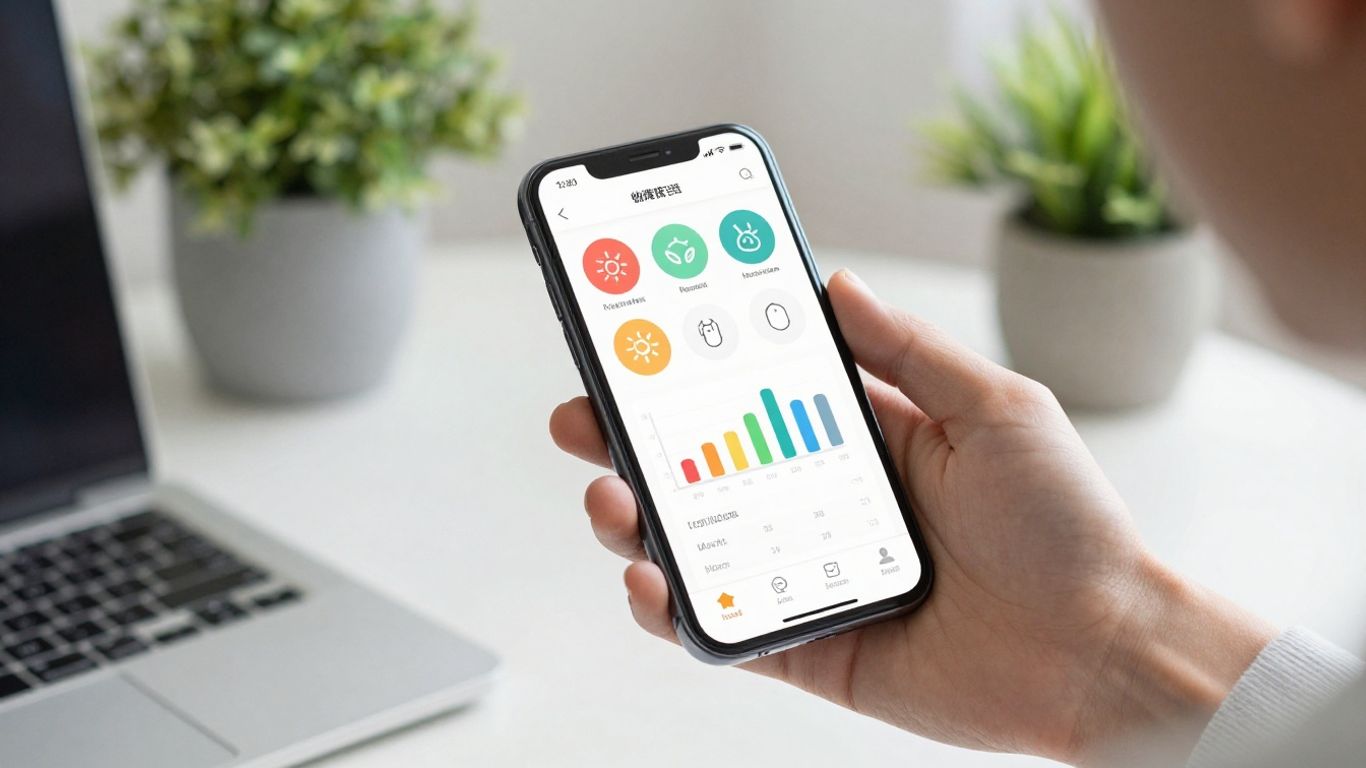
How MoodMash integrates mood tracking with daily coaching
MoodMash functions as a central hub designed for users to consolidate their wellness data. By managing five distinct data categories, it acts as a comprehensive repository for tracking everything from mood logs to specific performance metrics. This method allows teams and individuals to organize, track, and share data efficiently without the fragmentation common in other platforms.
The meditation-centric design of Headspace
Headspace emphasizes mindfulness meditation as a foundational practice for mental clarity. The platform provides a library of guided sessions meant to reduce stress and anxiety through structured breathing and visualization techniques. For a deeper understanding of available mindfulness tools, one might consult the 8 best meditation apps report for comparative benchmarks.
Understanding your mental health goals and baseline needs
To effectively leverage Maslow's Hierarchy of Needs in your personal growth, you must define whether you need structured coaching or simple stress relief. A personal audit of your stressors helps determine if you require external accountability. Users often find that maintaining logs is helpful, similar to how one might appreciate high-end aesthetics at Surfaces Galore for their home office environments.
Deep dive into feature sets
Understanding the actual mechanics of your chosen application is crucial for long-term consistency. Different platforms offer vastly different experiences regarding how they process your input and provide feedback.
Assessing the effectiveness of quantitative self-tracking
Quantified wellness involves logging specific events to see patterns in your life. By recording daily data, you gain the ability to spot triggers that previously went unnoticed.
| Feature Category | MoodMash Capability | Standard Competitor | Headspace Focus |
|---|---|---|---|
| Data Input Types | 5 categories | 1-2 categories | Minimal |
| Coaching Support | AI Analysis | None | Minimal |
| Usage Goal | Organization | Passive | Meditation |
Library depth: guided meditations versus interactive wellness prompts
While some apps rely entirely on pre-recorded audio libraries, others incorporate interactive prompts. These prompts force you to engage directly, which can prove more effective than passive listening for some users. Evaluating the depth of this content takes time, but it is necessary for finding a true Headspace alternative that fits your specific learning style.
Comparing AI-powered coaching to expert-led mindfulness sessions
AI coaches provide immediate responses based on your logs, while expert-led sessions focus on established clinical techniques. This distinction is significant for users who favor modern marketing strategies to optimize their routine. The choice depends on whether you value data-driven feedback or human-narrated guidance.
User engagement and interface design
Engagement tools define how likely you are to open an app during a busy week. A clean design that removes friction is rarely an accident; it is the result of careful UX planning aimed at keeping users consistent.
Onboarding flows for new mental health platform users
Effective onboarding quickly establishes the value proposition for the user. When users feel they are building momentum, they are far more likely to stick with a new habit, much like a student finding success within the Total Guitar Transformation Academy.
Retention tools: streaks, rewards, and habit formation features
Gamification is a common tactic to keep users returning, though it must be balanced to avoid burnout. Apps that combine streaks with daily insights tend to foster long-term commitment. Following these habits, you might explore how one would create your own AI model for personal productivity enhancement.
Accessibility and inclusivity in app design
Modern platforms aim to be usable for everyone, regardless of physical or cognitive ability. Accessible interfaces ensure that the benefits of meditation and mood tracking are not limited by poor software design or lack of support for assistive technologies.
Cost-benefit analysis for 2026
Budgeting for digital wellness is an ongoing necessity. In 2026, many platforms have moved toward tiered models that separate basic access from advanced tracking capabilities.
Subscription structures and value-based pricing
Pricing often reflects the depth of content or the inclusion of coaching. Users should look for transparency regarding what is locked behind a paywall versus what is offered freely.
Evaluating return on investment for long-term mental health maintenance
Investing in mental health software yields ROI through reduced stress and better organization. You can view this as a form of maintenance, where the recurring cost supports your mental longevity.
Free tier limitations for MoodMash and Headspace
Most apps provide a teaser of their functionality via free tiers. These typically include:
- Limited access to meditation libraries
- Basic mood logging features
- Restricted insights into long-term data trends
- No access to personalized human or AI coaching
Choosing the right mental health path
Matching a platform to your personality is the final hurdle in your search. Not every tool works for every cycle of stress, so assessing your own requirements is helpful.
Identifying whether you need external structure or self-reflection
Some users require a strict schedule enforced by data tracking to stay on target. Others prefer a reflective approach with open-ended meditation sessions.
The best tool for your mental health is the one that you actually feel comfortable using on a daily basis.
This wisdom holds true across the entire spectrum of consumer technology. Choose software that feels natural to your workflow.
Managing daily anxiety and stress triggers with specific tools
Tracking specific stress triggers through a dedicated platform helps you prepare for difficult days in advance. By identifying these moments, you gain power over how you respond to environmental pressures.
Why some users seek a modern Headspace alternative for holistic support
Many users find that meditation alone does not address their needs for data organization. They move toward tools like MoodMash to capture the full picture of their day, from mood to performance.
Trends in the mental health app market
The shift toward personalized diagnostic inputs
Apps are increasingly asking users for more detailed input to curate their feed. This personalization is intended to reduce the time it takes to find relevant content.
Ensuring data privacy and security in sensitive health apps
As mental health data becomes more complex, providers must prioritize encryption to ensure sensitive information remains protected. Users are naturally sensitive to how their reflections are stored.
Growing demand for professional coaching integrations in consumer tech
There is a clear move toward bridging the gap between apps and professional human guidance. Platforms that build pathways to licensed experts are currently dominating the premium tier of the market.
Conclusion
Selecting between MoodMash and other mindfulness applications depends on how you value organization compared to passive meditation. Whether you prioritize deep data management or simple, daily calm, there is a path designed to support your specific needs in 2026.
Frequently Asked Questions
How often should I perform mood logging?
Consistency is much more important than raw frequency, so finding a cadence that fits into your existing routine is the most reliable way to gather useful data.
Can apps replace professional mental health therapy?
Digital tools should be viewed as proactive support systems rather than clinical replacements, as they often function best when used in tandem with professional care.
What are the main benefits of tracking mood data?
Tracking helps you identify recurring emotional patterns or environmental stressors that you might otherwise ignore, allowing for more proactive stress management.
Do meditation apps really reduce anxiety?
Many users report lower stress levels through consistent use of guided breathing, though results depend heavily on the individual's commitment to the practice.
Is paying for a subscription worth the price?
Subscription value depends on how deeply you use the extra features; consider the cost versus the frequency of your daily engagement with the content.
Why do some users find meditation difficult?
It is common to struggle with focus at the start, but most platforms offer beginner-friendly tutorials designed to help you cultivate patience over time.
What privacy measures should I look for?
Always check for end-to-end encryption and clear data handling policies that ensure your sensitive wellness reflection is not sold to third-party entities.