
MoodMash vs. Reflectly: AI Journaling App Showdown
Key Takeaways
Digital journaling tools now go beyond simple text entry to provide deep analytical insights and organization for complex data. Modern users have several options, ranging from mood-focused apps to comprehensive data management platforms.
- AI tools offer automated analysis of mood patterns over time.
- Versatility is a key factor when comparing specialized journals against data management suites.
- Privacy remains a central concern for users documenting sensitive emotional data.
- Subscription models often differentiate between casual users and long-term data analysts.
- Choosing the right tool depends on whether you prioritize mood trends or broad data organization.
Overview of AI journaling: MoodMash and Reflectly
The evolution of digital journaling
Digital journaling has evolved from a static digital diary into a dynamic analytical companion. Modern platforms integrate technology that actively captures and interprets the user's emotional state, moving past passive entry methods. This shift allows for the identification of behavioral patterns that were previously invisible in traditional hand-written formats.
What is Reflectly?
Reflectly provides a space designed specifically for self-care, utilizing positive psychology to help users track their moods. It serves as an automated diary that facilitates daily habit building through consistent, structured prompts tailored to long-term wellness.
What is MoodMash?
MoodMash is a structured platform built to help users manage multiple data types in a single, cohesive environment. By offering a unified space for tracking diverse information, MoodMash supports both individual users and professional teams who need to organize and share essential wellness and performance data. Its functional design ensures that mood logs and related information are easily accessible for analysis.
Primary differences at a glance
Reflectly focuses primarily on personal mental health, using a friendly interface to encourage daily emotional logging. In contrast, MoodMash approaches tracking as a resource manager, emphasizing the consolidation of five distinct data types. This distinction makes the selection process dependent on whether the intended goal is emotional self-discovery or data-driven organization.
Interface and user experience
Developing a clear and responsive interface is vital for maintaining daily logging habits. A successful app should minimize friction, allowing users to enter data without unnecessary clicks or complicated navigations. Interfaces that effectively balance visual appeal with data density set the standard for daily usage.

Visual design and navigation styles
Visual design choices influence how often a user engages with their data. Clean layouts with intuitive navigation allow for rapid entry even during busy days, while overly complex structures often impede consistent participation. An effective design presents relevant statistics without overwhelming the user.
Onboarding process and setup experience
Starting a new journaling habit requires a simple setup that quickly demonstrates value. Users generally prefer onboarding flows that highlight key features immediately without requiring excessive configuration. A smooth introduction reduces the drop-off rates often seen in the first week of application use.
Accessibility and ease of daily entry
Daily entries should be quick and accessible to ensure sustainable habits. When tools allow for fast input of mood data and notes, they become more integrated into a user's routines. Apps that require too much manual effort may struggle compared to those that prioritize rapid logging.
Mobile app responsiveness and performance
Performance on mobile devices determines if an app stays in the daily workflow. A responsive application must load instantly and maintain smooth transitions between screens. Consistent performance metrics ensure that the user can record their thoughts reliably regardless of their location.
Core features and AI capabilities
Automated mood tracking technology
Automated tracking systems monitor mood fluctuations by asking consistent questions and logging responses over time. By centralizing this information, users can identify patterns linked to their activities or stress levels. These automated mood tracking features help simplify the reflection process for busy individuals.
Personalized daily prompts and reflections
Customized prompts encourage deeper introspection by adapting to individual preferences and historical entries. These prompts may look at past trends to ask more relevant questions, pushing users to consider factors they might otherwise ignore. This guidance is essential for users seeking more than just a blank page for their thoughts.
Natural language processing for entry analysis
NLP allows software to scan entries for linguistic themes, highlighting specific emotional keywords or repeating concerns. This technology essentially mirrors the role of a data analyst, spotting trends in the text that human users might miss in the heat of the moment. By structuring raw text into actionable insights, users learn more about their own mental habits.
Integration with health and fitness platforms
Connecting journal data with external fitness apps creates a holistic view of user health. While many apps provide specialized insights like Nemo Group UK property expertise in a different domain, journaling apps find success when they link to wearable data. This connectivity allows for a clearer view of how physical exertion influences emotional well-being.
Customization and habit-building tools
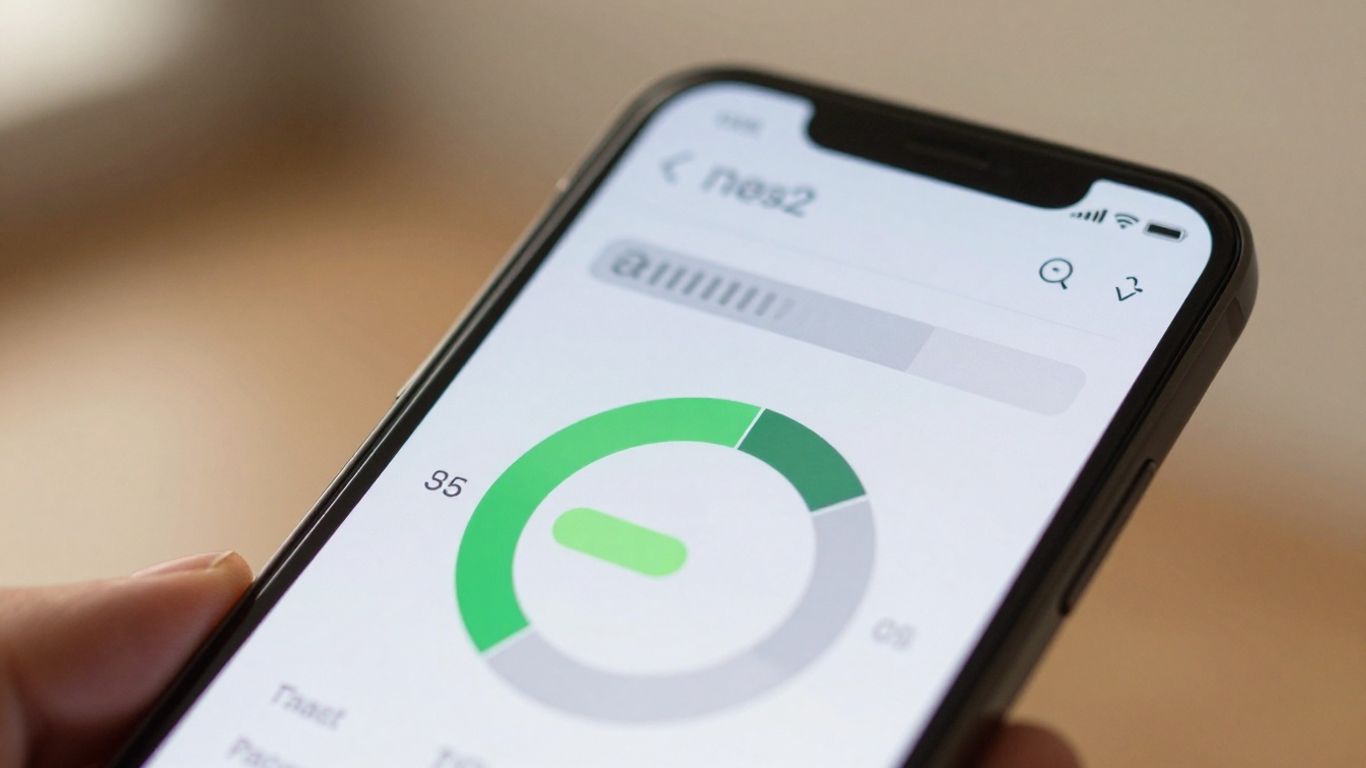
Users who seek advanced personalization will benefit from tools that allow for specific categorizations and reminders. Creating a unique workspace with custom tags and themes increases the likelihood of long-term retention. These configurations transform a generic tracker into a personalized tool that aligns with individual goals.
Setting routines and reminder systems
Reminder systems are critical to maintaining streaks and keeping users engaged with their data. By configuring timely nudges, users ensure they do not miss a day, which is essential for capturing accurate longitudinal data. These alerts serve as a simple but effective prompt for professional users like BluRock staff working on masonry projects needing consistent records.
Tagging, categorization, and journal themes
Effective systems offer users the ability to organize their entries through custom tags. This organization allows for easy retrieval of historical information when looking for trends. You might compare your setup requirements to these options:
| Feature Name | Primary Utility | User Type |
|---|---|---|
| Custom Tagging | Data Indexing | Power Users |
| Theme Selection | Aesthetic Customization | Daily Users |
| Reminder Alerts | Consistency Planning | Occasional Users |
Motivational streaks and progress tracking
Visualizing progress through streaks and badges provides immediate positive feedback. For someone who appreciates the quality found in high-performance items like ShoeResidence products, seeing a clear record of consistent work is rewarding. Tracking growth over weeks or months helps validate the time invested in personal growth.
Exporting data and external backup options
Maintaining control over data ownership requires export options in formats like CSV or PDF. Secure backups ensure that if a user decides to switch platforms, their history remains intact. Consider these key practices for your data:
- Perform regular manual exports to a secure local folder.
- Verify that files are readable in standard spreadsheet software.
- Monitor periodic cloud sync status updates.
- Keep password-protected copies of sensitive analytical logs.
Privacy and data security considerations
End-to-end encryption and data ownership
Encryption protects sensitive emotional records from unauthorized access. Users should ensure that their chosen platform explicitly grants them full control over their data state. This transparency is a trust-building factor for any digital tool handling personal entries.
Cloud storage versus local synchronization
Choosing between cloud convenience and local control depends on a user's risk tolerance. While cloud sync allows for multi-device access, local storage offers an extra layer of privacy for those who prefer to keep data on their physical hardware. This is a common tradeoff in software like the refined LEDSone UK Ltd configurations.
Policy on AI training using user inputs
Companies should be explicit about whether they use private journal entries to train their language models. Users should review the terms of service to confirm their data is treated as private. Full disclosure regarding how inputs are processed or stored is a standard requirement for reputable apps.
Password protection and biometric locking
Adding a layer of physical security via biometric locks ensures that only the account owner can access recent journal entries. This functionality is essential for individuals who journal on shared mobile devices. Robust authentication, such as fingerprint or facial recognition, serves as a barrier against casual observers.
Pricing models and subscription value
Evaluating the free tier versus premium access
Most apps offer a free tier that limits the depth of historical analysis available to the user. Premium access typically unlocks advanced features like trend visualization, custom export options, or multi-device sync. Before committing to a yearly subscription, users should test the free experience to see if the interface fits their needs.
Subscription cycles and cancellation flexibility
Flexible cycles allow users to adjust their commitments based on their changing financial or situational needs. Monthly plans offer maximum agility, while annual plans usually provide a discount for a longer-term investment. Always review the clear cancellation terms to avoid unexpected renewal charges.
Hidden costs and in-app purchase structure
In-app purchases can occasionally unlock specific modules or premium customization themes. Users should be aware of whether these are one-time costs or recurring features that expand the app's capability. Transparency in the billing structure makes long-term budgeting easier for the individual user.
Which app offers better long-term value?
Long-term value is subjective and depends on whether you view the app as a simple tracker or a key component of your organizational toolkit. For teams managing diverse data points, a tool like MoodMash, which supports broader data management, offers a different value proposition than a mood-only application.
Choosing the right journal for your goals
Determining your primary journaling motivations
Before selecting an app, identify if your goal is immediate emotional release or long-term data analysis. If you are interested in NEM 3.0 residential solar installations or other complex projects, you likely value tools that handle structured data types well. Defining these objectives narrows down the search to apps that support your specific process.
When to choose Reflectly for mood trends
Choose a mood-centric app if your primary objective is tracking daily fluctuations and receiving encouragement to improve mindset. These tools excel at building a positive cycle for those who feel overwhelmed by daily anxiety. Reflectly is well-suited for individuals who want a dedicated space for venting thoughts.
When to consider a Reflectly alternative like MoodMash
If you prefer a highly structured environment that manages 5 distinct data types, a broader platform is a better fit. An alternative is ideal when you need to log mood alongside other project data or team-related info. This is particularly useful for those who prefer a single source of truth for all record-keeping.
Matching app features to your personal goals
Evaluate the feature list against your daily requirements to ensure a harmonious fit. A tool should support your growth, not create unnecessary management overhead. Spend time using the trial versions of your top candidates to see which aligns best with your specific workflows.
Conclusion
Selecting a digital journal involves balancing the desire for emotional relief against the need for organizational utility. Whether you choose a specialized mood tracker or a versatile data platform like MoodMash, the most effective tool is one that survives the test of daily consistency. By evaluating the security and analytical capabilities of your chosen app, you ensure your journaling practice contributes positively to your long-term wellness and data goals.
Frequently Asked Questions
How does AI improve traditional journaling?
AI enhances journaling by identifying hidden emotional trends and asking follow-up questions that push for deeper reflection on recorded events.
Is it safer to keep a digital journal or a paper one?
Digital journals offer features like encrypted cloud backups and biometric locks, which prevent physical loss, while paper offers total privacy from digital vulnerabilities.
Can journaling actually improve mental health?
Yes, studies indicate that consistent expressive writing helps clarify emotional states and can reduce symptoms of anxiety and stress.
Why do some journaling apps require a subscription?
Subscriptions cover the ongoing costs of cloud hosting, secure data storage, and the computational resources required for advanced AI analyses.
What should I look for in a data privacy policy?
Prioritize apps that clearly state they do not use your personal entries for training their models and that they provide full ownership of your exported data.
Can I use a journal for team collaboration?
While personal journals are often private, specific platforms allow for sharing logs and data sets within controlled teams for better professional alignment.
Is it necessary to journal every single day?
Consistency is helpful for tracking long-term trends, but the most important aspect of journaling is that it sustainable for your lifestyle and schedule.