
AR Mindfulness: What It Is and Why It's the Future of Emotional Wellness
Key Takeaways
Augmented reality technology is opening new doors for personal wellness by bridging the gap between digital content and the physical environment. By integrating spatial computing with meditation, users can experience deeper relaxation and more consistent habit formation.
- Improved focus through visual spatial overlays.
- Real-time biofeedback integration for stress management.
- Gamified elements that make habit building feel engaging.
- Accessible meditation practice in any familiar environment.
- Increased engagement through interactive, high-fidelity sensory experiences.
How AR transforms traditional meditation practices
Defining the intersection of spatial computing and emotional wellness
Spatial computing allows us to overlay calming, relevant digital information directly onto our immediate surroundings. By viewing the world through a screen or headset, meditation apps can turn a cluttered desk or a blank wall into a serene visual sanctuary. This new category of tool provides a sense of presence that audio-only apps often miss.
- Enhanced environment personalization for reduced mental anxiety.
- Interaction layers that respond to user movement and gaze.
- Fluid transitions between digital calmness and standard surroundings.
Core components of an effective AR mindfulness app
To be truly impactful, an app must prioritize simplicity and comfort. A well-designed tool, such as Visutate, provides an innovative augmented reality app experience that works directly with your smartphone's camera. These apps rely on high-quality visual cues and low-latency rendering to ensure the meditation remains grounded and does not feel disorienting.
Moving from static audio guides to interactive visual meditation
Traditional guided sessions leave the mind to drift if a specific focus is lacking. Replacing static soundscapes, interactive visuals pull the user's attention into a deliberate state of flow. By turning meditation into an active participation, users can maintain their concentration more effectively for longer durations.
Benefits of using an AR mindfulness app
Reducing external sensory distractions through visual focus
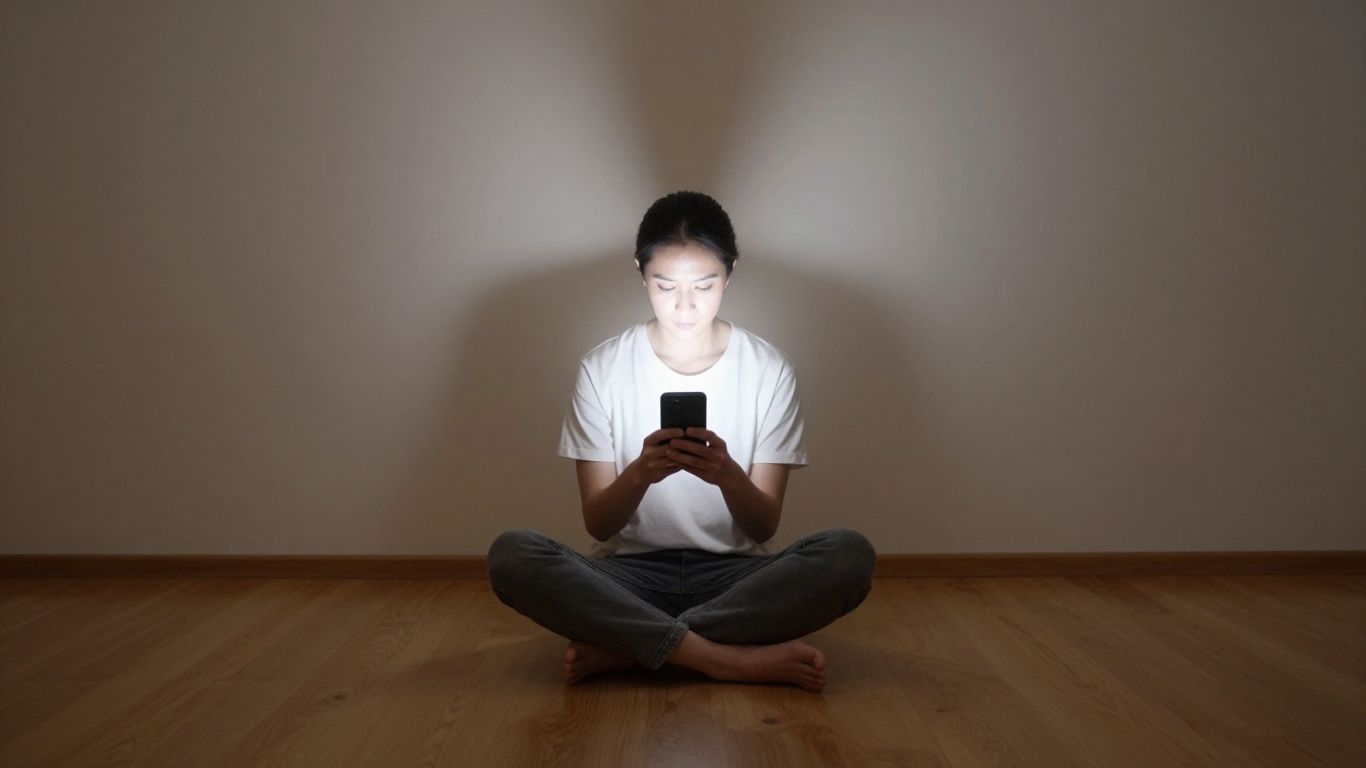
Visual anchors serve as a primary focus for the wandering mind. Instead of closing one's eyes in a distracting room, these applications encourage the user to fixate on calm, slow-moving digital geometry. This method grounds the user within their own space, making them feel safer and more settled.
Optimizing mental health outcomes through heightened sensory engagement
High engagement states rely on the precise synchronization of sight, sound, and personal feedback. The impact of these interventions is measurable through both improved mood reports and physiological monitoring.
| Feature | Benefit | Impact Level |
|---|---|---|
| Visual Focus | Reduces distractions | High |
| Bio-Sync | Real-time regulation | Moderate |
| Audio Spatialization | Deepens immersion | High |
By leveraging tools like Healium AR, practitioners are observing how an Augmented Reality wellness revolution can directly influence heart rate and stress-related nervous system output.
Comparing the efficacy of physical versus augmented reality wellness environments
Physical meditation spaces offer tranquility but are often confined to specific home locations. In contrast, augmented reality provides a consistent environment regardless of where the user happens to be. This unprecedented level of accessibility ensures that care remains continuous even during travel or hectic work days.
Supporting mental health through immersive experiences
Managing stress triggers in controlled virtual environments
Controlled environments offer a sandbox for navigating stress without the pressure of an uncontrolled real-world event. By utilizing findings from an AR meditation investigation, developers can craft scenes that gently expose users to relaxing stimuli. This process builds the emotional agility needed to manage real-world triggers when they reappear.
Encouraging daily habit formation via gamified AR elements
Consistency requires rewards, and gamification provides exactly that within the Headspace XR platform experience. By transforming repetitive meditation exercises into quest-like goals, users stay motivated to return each day. This approach is particularly effective for newer audiences who might otherwise find standard mindfulness practices too passive or difficult to maintain.
Enhancing mindfulness exercises in standard daily environments
Standard daily environments like a quiet corner of a bedroom can be upgraded significantly. Through mobile-based AR, these familiar spaces become staging grounds for guided meditation. This requires no extra bulky gear, making it a viable daily practice for the average person.
Practical applications in augmented reality wellness
Implementing real-time visual breath control indicators
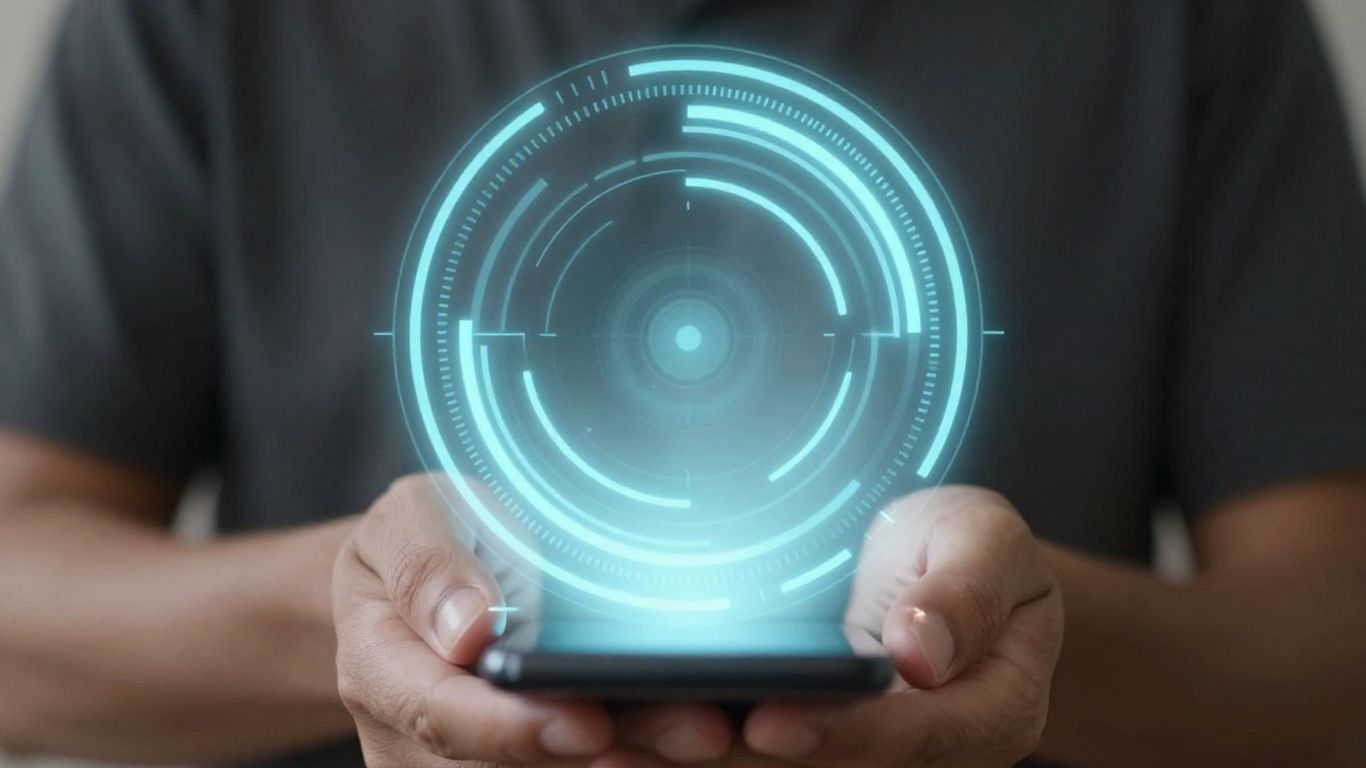
Visual breath prompts replace the abstract "breathe in and out" instructions with tangible shape changes. When the visualized object expands, it forces the user to regulate their own breathing cycle to match the rhythm. This active pacing is a powerful method for cooling down a sympathetic nervous system response.
Utilizing ambient spatial audio for deep focus and relaxation
Ambient audio provides the necessary backdrop for a deeper level of mental stillness. When you place a sound source within 3D space, it mimics natural acoustics, making the experience feel as though you are sitting next to a calm stream or under a rustling canopy.
Synchronizing AR visuals with real-world physical activity
Linking movement to visuals creates a deeper mind-body connection during practice. When body tracking detects slow, purposeful movements, the digital environment shifts accordingly. This provides immediate reinforcement that the mind and body are working as one, similar to how VR healthcare applications might guide a user through gentle physical rehabilitation.
Challenges and ethical considerations for AR mental health
Balancing digital immersion with the need for authentic mental disconnect
Over-reliance on digital tools can paradoxically keep the brain in a state of high activity. The goal of these wellness tools must always be to facilitate a later disconnection rather than just providing another reason to stare at a screen. Designing for "smart exits" that encourage the user to put the device down is an essential development challenge.
Addressing privacy concerns regarding biometric data in AR trackers
Biometric data, such as heart rate or eye-tracking metrics, is incredibly sensitive. As these apps gather more granular data to personalize sessions, developers must implement transparent privacy standards. Users need to know exactly how their mental states are being recorded and who has access to such intimate data.
Ensuring equitable hardware accessibility for diverse user groups
Advanced hardware is often expensive, potentially locking the most vulnerable users out of the benefits. True democratization of this technology means optimizing for entry-level devices that require only a basic smartphone camera. High-converting menu guide content for vertical SaaS tools should continue to include accessible health-tech options to ensure reaching these diverse demographics remains profitable.
Predicting the future of immersive meditation apps
The role of wearable device integration in advancing AR wellness
The most successful future platforms will likely be those that bridge wearables and augmented visuals effortlessly. By using real-time heart rate or EEG data, an AR app can adjust its own intensity based on how the user actually feels at that moment. This closes the gap between intention and real-time physiological response.
Assessing the commercial growth of the AR mental health market
Commercial adoption is accelerating as individual users and therapists alike recognize the validity of immersive practices. Investors are looking for solutions that offer long-term retention data and clear outcomes, rather than simple novelty hooks. The market is shifting from experimental apps toward validated digital health tools.
Clinical perspectives on adopting immersive technology in therapy
Clinicians are increasingly curious about how these tools can supplement traditional therapy. Rather than replacing the human element, these apps provide "between-session" reinforcement that traditional practices cannot achieve alone. The future will likely see a hybrid model where AR is a standard part of the prescribed journey to emotional stability.
Conclusion
Augmented reality represents a shift in how we approach emotional self-care, turning abstract mindfulness practices into concrete, interactive experiences. By leveraging visual cues, spatial audio, and personalized data, we are discovering how to build healthier habits that last. As this technology matures, it will undoubtedly become a staple in how individuals manage their mental state in an increasingly busy world.
Frequently Asked Questions
Do I need expensive glasses to enjoy these meditation apps?
Most modern immersive meditation tools are designed to work effectively with standard smartphone cameras and displays, meaning high-end equipment is rarely mandatory for a basic session.
How does AR differ from standard video-based guided meditations?
While standard video features a flat playback, augmented reality interacts with your real-world environment, allowing digital objects to appear anchored in your actual living space for a deeper sense of presence.
Is augmented reality safe for people prone to sensory overload?
Designers of these platforms emphasize gentle, slow-moving visuals specifically intended for those seeking to reduce overstimulation, though individual comfort levels can vary.
Can these apps track my progress over time?
Many platforms include built-in tracking features that log usage frequency, session length, and even physiological metrics to help users monitor their personal wellbeing journey.
Can I use these apps in any location?
These apps are designed for portability, making them well-suited for use at home, in the office, or even while traveling, provided the user has space to safely operate their device.
How long should an average AR meditation session be?
Sessions can vary widely depending on the purpose, with many beginners starting with brief three to five-minute exercises and others working up to longer, more complex immersive programs.
Do these apps require an constant internet connection?
While some features may rely on cloud-based processing for high-fidelity rendering, many apps allow users to download content for offline use, making quiet reflection possible anywhere.