
MoodMash vs. Bearable: The Full Comparison (2026)
Choosing between MoodMash and Bearable can get confusing, so here are the main points to remember.
Key Takeaways
- MoodMash has more ways to personalize your mood tracking.
- Bearable is easy to use and has a simple design.
- Both apps let you export your data if you want to switch or share.
- MoodMash connects with more other apps than Bearable.
- Price and features are different, so try both before you decide.
Understanding MoodMash vs Bearable Core Features
Alright, let's get down to brass tacks and look at what MoodMash and Bearable actually do. When you're trying to figure out how you're feeling and why, the tools you use matter a lot. Both apps aim to help with this, but they go about it in slightly different ways. The core of what they offer revolves around tracking your mood, letting you jot down thoughts, and then showing you what it all means.
Mood Tracking Capabilities
This is probably the most important part, right? How easy is it to log how you're feeling, and what options do you have?
- MoodMash: Lets you pick from a range of emotions, often with intensity sliders. You can also add tags for activities, people, or places that might be influencing your mood. It's pretty straightforward.
- Bearable: Also offers mood logging, but it tends to be a bit more detailed from the get-go. You can select primary emotions and then add secondary ones, plus link them to specific factors like sleep, diet, or even weather.
It's not just about picking a smiley face; it's about capturing the nuance. Both try to do this, but Bearable leans into the complexity a bit more.
Journaling and Note-Taking
Sometimes, just picking an emotion isn't enough. You need to write things down. Both apps give you space for this.
- MoodMash: Provides a dedicated journal section where you can write longer entries. It's good for free-form thoughts and reflections.
- Bearable: Integrates notes directly with your mood entries. You can add a quick note to a specific mood log or write a more extensive journal entry. This connection between mood and notes is a big plus.
The ability to connect your written thoughts directly to a specific mood log or event can really help in spotting patterns you might otherwise miss. It's like having a direct line from your feelings to your explanations.
Data Visualization and Insights
Logging is one thing, but what do you do with all that data? This is where the apps show you trends.
- MoodMash: Offers charts and graphs that show your mood over time. You can see which tags are most common and how your mood fluctuates.
- Bearable: Provides more in-depth analysis. It can show correlations between different factors (like sleep and mood) and offers reports that try to explain what's going on. They have a "Health Score" that tries to give you an overall picture.
Here's a quick look at what you might see:
| Feature | MoodMash Example | Bearable Example |
|---|---|---|
| Mood Over Time | Line graph showing daily mood average | Calendar view with color-coded mood intensity |
| Common Factors | List of most frequent tags (e.g., 'Work', 'Social') | Correlation charts (e.g., 'Sleep' vs. 'Anxiety') |
| Detailed Reports | Basic summary of mood trends | Deeper dive into triggers and patterns, health scores |
Both apps want you to understand yourself better, but Bearable seems to put more effort into giving you actionable insights from your data.
User Experience and Interface Design

Navigating MoodMash
MoodMash goes for a very tidy, almost minimalist layout. Right when you open it, there’s a simple, bright dashboard with clear buttons for tracking your mood. Every feature sits just a tap or two away. If you hate complicated menus, you’ll probably appreciate this approach, since it means no digging around for basics.
Main steps for getting around MoodMash:
- Select your mood from a list or scale.
- Add a quick note or tag.
- Check trends right from the home screen.
Some users say it feels quick and frictionless—just what you want when you're logging in every day, not wrestling with controls.
Exploring Bearable's Layout
Bearable is all about flexibility, but this sometimes means a busier home screen. There are tabs for different logs: mood, symptoms, habits, and a detailed calendar. New users might need a few days to get comfortable with it all, though longtime users find the extra options helpful.
Here's how Bearable structures things:
- Multiple input options (moods, symptoms, medication, sleep, and more)
- Tabs for each log type
- Calendar for a bird’s-eye view of past entries
If visual overviews are your thing, Bearable does a pretty solid job with summary cards and graphs right on the main screen. It's kind of like curating what you want to see—almost a human-centric curation style.
Ease of Daily Use
The real difference between these apps tends to show up when you try to keep up with entries. Here's a quick look:
| App | Quick Entry | Reminders | Customizable Shortcuts |
|---|---|---|---|
| MoodMash | Yes | Yes | Basic |
| Bearable | Yes | Yes | Advanced |
Both apps make it easy to set up simple reminders, but Bearable stands out with custom notifications for different types of tracking. The learning curve is steeper at first, but if you want detailed data, Bearable feels more hands-on. MoodMash, on the other hand, makes it super straightforward to check in with minimal taps. It's sort of a pick-your-poison situation: easy and fast, or lots of options and features.
At the end of the day, whichever you choose will probably come down to whether you want a no-fuss mood log or a flexible, everything-in-one-place tool.
Customization and Personalization Options
Tailoring MoodMash to Your Needs
MoodMash really lets you set it up how you like. You can pick from a bunch of pre-made mood categories, or you can make your own. This is great because everyone's feelings are a bit different, right? So, if 'happy' isn't quite cutting it, you can add 'content' or 'peaceful'. They also let you add tags to your entries. Think of these like little labels for what's going on. You could tag a mood entry with 'work', 'family', 'exercise', or even 'that weird dream I had'. This helps you see patterns later.
- Create custom mood labels.
- Add specific tags for activities or events.
- Set up custom reminders for check-ins.
Personalizing Your Bearable Experience
Bearable also gives you a lot of control. It's built around tracking specific things you care about. You can choose from a big list of things to track, like sleep, exercise, diet, or even medication. Or, you can add your own custom trackers. This is super handy if you're trying to figure out if, say, drinking more water actually makes you feel better. They have a nice way of showing you what you've tracked over time, which is pretty neat.
Advanced Customization for MoodMash vs Bearable
When you get into the nitty-gritty, both apps have ways to go deeper. MoodMash has a feature where you can set up 'influences'. These are things you think might be affecting your mood, like weather, social media use, or even specific people. You can then see how these influences line up with your mood changes. It's like building your own little mood science lab. Bearable, on the other hand, focuses a lot on the 'why' behind your mood. You can link specific symptoms or feelings to your mood entries, and it helps you build a picture of what's going on physically and mentally. The level of detail you can add to each entry is where these apps really shine.
Both MoodMash and Bearable understand that a one-size-fits-all approach to mood tracking just doesn't work. They give you the tools to build a system that fits your unique life and what you want to learn about yourself. It’s about making the app work for you, not the other way around.
Here's a quick look at what you can customize:
| Feature | MoodMash | Bearable |
|---|---|---|
| Mood Labels | Pre-set & Custom | Pre-set & Custom |
| Trackers | Custom Tags | Pre-set & Custom |
| Influences/Factors | Yes (e.g., weather, social media) | Yes (linked to symptoms/feelings) |
| Data Visualization | Charts, Graphs | Charts, Graphs, Trends |
| Reminders | Yes | Yes |
| Data Export | CSV | CSV, JSON |
If you're looking to really dig into how different parts of your life affect your mood, understanding these customization options is key. It's like getting the right tools for your business – the better they fit, the more you can achieve.
Integration and Data Export
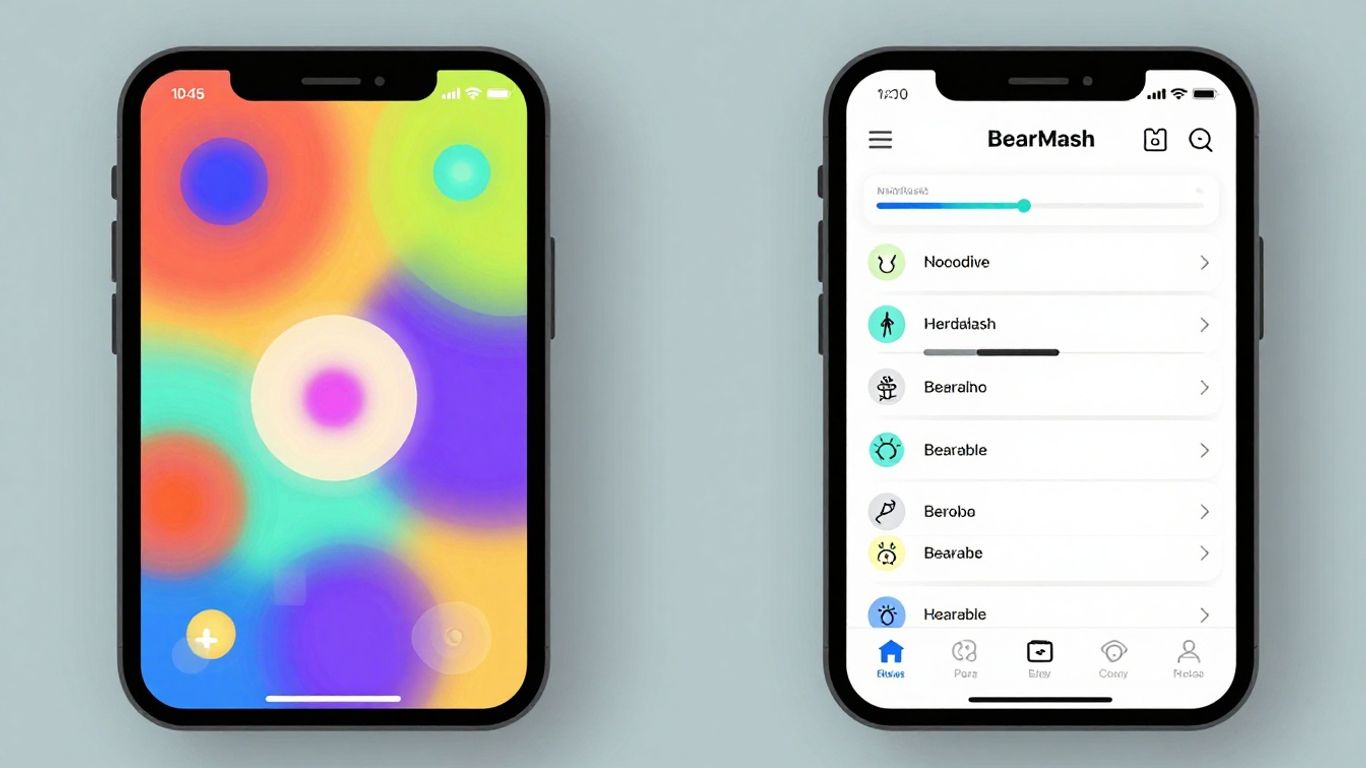
Let's talk about how MoodMash and Bearable play nice with your other digital tools and what you can do with your data.
Connecting Other Apps with MoodMash
MoodMash aims to be a central hub for your well-being data. It connects with a few popular health and fitness trackers. Think of your smartwatch or a step-counting app. The idea is to pull in information like sleep patterns or activity levels automatically, so you don't have to type it all in yourself. This makes your mood tracking more complete without adding a ton of extra work. It's pretty straightforward to set up, usually just a matter of granting permissions.
Bearable's Integration Ecosystem
Bearable has a pretty decent setup for linking up with other services. They focus on pulling in data that might affect your mood, like sleep quality from your fitness band or even weather data. This helps paint a fuller picture of what's going on. They also have a growing list of apps they work with, so it's worth checking their site to see if your favorite health app is on the list. The more data points you can automatically feed into Bearable, the richer your insights can become.
Exporting Your Data from Both Platforms
Sometimes, you just want your data. Maybe you want to do your own analysis, share it with a therapist, or just keep a personal backup. Both MoodMash and Bearable let you export your information. Usually, this comes in a common format like CSV, which you can open in spreadsheet software. It's a good way to keep your data portable. You can find the export option buried in the settings menu on both apps. It's a good idea to do this periodically, just in case. Understanding your competitors is also key, and seeing how they handle data can be informative [989b].
Having your data accessible is important. It means you're not locked into one app forever. You can take your history with you, which is a big deal for long-term tracking.
Here's a quick look at what you might expect:
- MoodMash Export: Typically offers a CSV file with your mood entries, notes, and any linked data. It's pretty basic but gets the job done.
- Bearable Export: Also provides CSV files, often with more detailed breakdowns if you've tracked a lot of specific factors. You might get separate files for different data types.
- Frequency: You can usually export whenever you want, but setting a reminder to do it once a month or so is a good habit.
Pricing and Value Proposition
Okay, so we've talked about what MoodMash and Bearable can do. Now, let's get down to the nitty-gritty: how much does it cost, and what do you actually get for your money? This is where things can get a little tricky, because both apps have different ways of handling their pricing.
MoodMash Free Tier and Premium Costs
MoodMash offers a pretty decent free version. You can track your moods, add basic notes, and see some simple charts. It’s a good way to get started and see if mood tracking is even for you. But, if you want to get more out of it, like advanced analytics, more detailed journaling prompts, or the ability to connect with other health apps, you'll need to upgrade.
Their premium plan, called MoodMash Pro, is a yearly subscription. Right now, it's set at $49.99 per year. This unlocks everything, so you get all the fancy features without any limits. For the price, you're getting a lot of tools to really dig into your emotional patterns.
Bearable's Subscription Plans
Bearable also has a free option, which lets you track moods and symptoms. It's functional, but like MoodMash, the real power comes with their paid plans. Bearable has a couple of tiers:
- Premium: This is their main paid plan. It costs $4.99 per month if you pay monthly, or $39.99 per year if you opt for the annual subscription. This gives you access to more detailed insights, custom tags, and better data export options.
- Premium Plus: This is their top-tier plan, costing $9.99 per month or $79.99 annually. It includes everything in Premium, plus advanced features like AI-powered insights and integrations with even more devices and apps.
So, Bearable gives you a bit more flexibility with monthly options, which might be nice if you're not ready to commit to a full year.
Determining the Best Value: MoodMash vs Bearable
When you look at the price tags, MoodMash Pro at $49.99 a year seems like a solid middle ground. Bearable's Premium plan is cheaper annually at $39.99, but it might not have all the bells and whistles of MoodMash Pro. However, Bearable's Premium Plus plan is more expensive than MoodMash Pro, but it does offer more advanced features.
The decision really comes down to what you need. If you want a straightforward, all-inclusive premium experience without too many choices, MoodMash Pro is a good bet. If you prefer to pay monthly or want the absolute cutting edge in AI insights and integrations, Bearable's higher tiers might be worth the extra cost. It's about matching the features you'll actually use with the price you're willing to pay.
Think about it this way:
- Budget-conscious: Bearable's annual Premium plan is the cheapest way to get a lot of features.
- Feature-focused: MoodMash Pro offers a lot for its single price point.
- Cutting-edge seeker: Bearable's Premium Plus might be the one, despite the higher cost.
Ultimately, both apps provide a free version to test the waters. I'd recommend trying both for a week or two to see which interface you prefer and which features you find yourself using the most before you decide to spend any money.
Finding Your Best Bearable Alternative
So, you've been looking at MoodMash and Bearable, maybe even tried both out. It's a big decision, right? Picking the right tool to track your moods and well-being can really make a difference. Sometimes, one app just clicks better for what you need. Let's break down when MoodMash might be the winner and when Bearable could be your go-to.
When MoodMash Excels Over Bearable
MoodMash really shines if you're someone who likes a lot of detail and wants to see how different things connect. If you're into spotting patterns, like how a certain food affects your energy levels or how sleep ties into your anxiety, MoodMash gives you a lot of room to explore. It's great for people who want to build a really specific tracking system.
- Deep Dive into Correlations: MoodMash lets you link almost anything to your mood. Think about tracking your caffeine intake, your social interactions, or even the weather, and seeing how it all plays out over time.
- Customizable Data Points: You're not stuck with pre-set options. You can add your own specific symptoms or triggers, making the tracking feel truly personal.
- Advanced Reporting: If you want to generate detailed reports that you can share with a therapist or doctor, MoodMash's reporting features are pretty robust.
If your goal is to become a detective of your own well-being, meticulously gathering clues and analyzing every detail, MoodMash offers the magnifying glass and the evidence board you might need. It's less about a quick check-in and more about building a comprehensive case file on yourself.
Scenarios Favoring Bearable
Bearable, on the other hand, often feels simpler to jump into. It's designed to be straightforward, which is a big plus if you just want to log your mood quickly each day without a lot of fuss. If you're new to mood tracking or just want a reliable way to keep tabs on your general well-being, Bearable is a solid choice. It's also good if you want to track a lot of different health metrics alongside your mood, like medication, symptoms, and sleep, all in one place. The app is known for its user-friendly interface, making it easy to get started right away. You can even find some interesting articles on how technology is changing how we approach health at how technology impacts health.
- Quick Daily Logging: Bearable makes it super fast to record your mood, energy, and sleep, often with just a few taps.
- All-in-One Health Hub: It bundles mood tracking with other health aspects like medication, symptoms, and even physical activity, giving you a broader view.
- Gentle Introduction: For beginners, Bearable's clear layout and guided setup make it less intimidating than some of the more complex apps out there.
The Ultimate MoodMash vs Bearable Decision
Ultimately, the best app for you depends on your personal style and what you hope to achieve. If you're a data enthusiast who wants to uncover intricate connections and build a highly personalized tracking system, MoodMash is likely your winner. It’s the tool for the deep diver. But if you prioritize ease of use, quick daily check-ins, and a consolidated view of your overall health, Bearable might be the better fit. It’s the reliable companion for everyday tracking. Think about what feels most natural for you – do you want to spend time analyzing charts, or do you just need a simple way to remember how you felt yesterday? Your answer will point you in the right direction.
Conclusion
Picking between MoodMash and Bearable really comes down to what you want from a mood tracking app. MoodMash is great if you want more ways to personalize and connect with other apps. Bearable is a solid choice if you like simple layouts and easy tracking. Both are good for keeping tabs on your mental health, but the best one is the one that fits your daily routine. Take a look at what matters most to you—price, features, or how easy it is to use—and try them out. There’s no perfect answer, just the one that works best for you.
Frequently Asked Questions
What makes MoodMash different from Bearable?
MoodMash lets you change more things to fit your style, while Bearable is easier for beginners.
Can I use MoodMash or Bearable for free?
Yes, both have free versions. But some features cost extra in both apps.
Is it easy to get my data out of these apps?
Yep! Both let you export your mood logs and notes. It’s pretty simple.
Which app is better for tracking more than just moods?
MoodMash has more options for tracking things like sleep or habits, but Bearable covers the basics well.
Do these apps work with other health apps?
MoodMash connects with more apps, but Bearable has some connections too.
How do I know which app is the best Bearable alternative?
Try both! See which one feels better for you and matches what you want to track.