
MoodMash vs. Calm: Which App Is Better for Daily Mental Wellness?
Key Takeaways
Choosing the right mental wellness tool requires balancing personal needs with the specific methodologies provided by different digital platforms. Consider these factors when narrowing your search for a support system.
- Mood-tracking apps emphasize data and self-reflection patterns over time.
- Meditation platforms focus on immediate stress reduction through guided audio practice.
- Consistency often matters more than the specific technical features of an app.
- Integration with other lifestyle metrics creates a more holistic view of health.
- Trialing different subscription models helps ensure you don't overpay for unused features.
The core difference in mental health philosophy
The reactive nature of mood tracking with MoodMash
Mood tracking platforms are designed to document your emotional state as it fluctuates throughout the day. By capturing daily input, MoodMash allows you to review your emotional highs and lows against external factors like sleep duration or social interactions. It creates a historical record that moves beyond mere guessing, providing a grounded look at how your routines affect your mindset, which is helpful if you want to avoid bathroom mold in your living sphere or other environmental stressors. The primary focus here is gathering enough information to spot personal trends that might otherwise go unnoticed during a busy week.
The proactive guidance of meditation with Calm
Calm operates on the principle that specific, intentional practices can shift your baseline temperament. Rather than just recording feelings, you engage with structured audio sessions that teach breathing techniques, mindfulness, and relaxation. This meditation app comparison resource highlights how such platforms prioritize the moment-to-moment experience, acting as a buffer against daily pressure. You use the service to build a habit of presence, relying on expert instructors to walk you through exercises instead of performing independent data analysis.
Reconciling behavioral analytics with mindfulness
There is a real tension between the analytical approach of logging data and the intuitive nature of seated meditation. Deciding between a tool that measures your habits and one that disrupts them usually comes down to whether you prefer active study or passive relief. For some, mindfulness apps provide the necessary respite, while others find the insights generated by tracking more useful for long-term behavior change. Finding the balance means understanding that both approaches aim to modulate stress, even if the paths they take through the day look different.
Comparing key app features
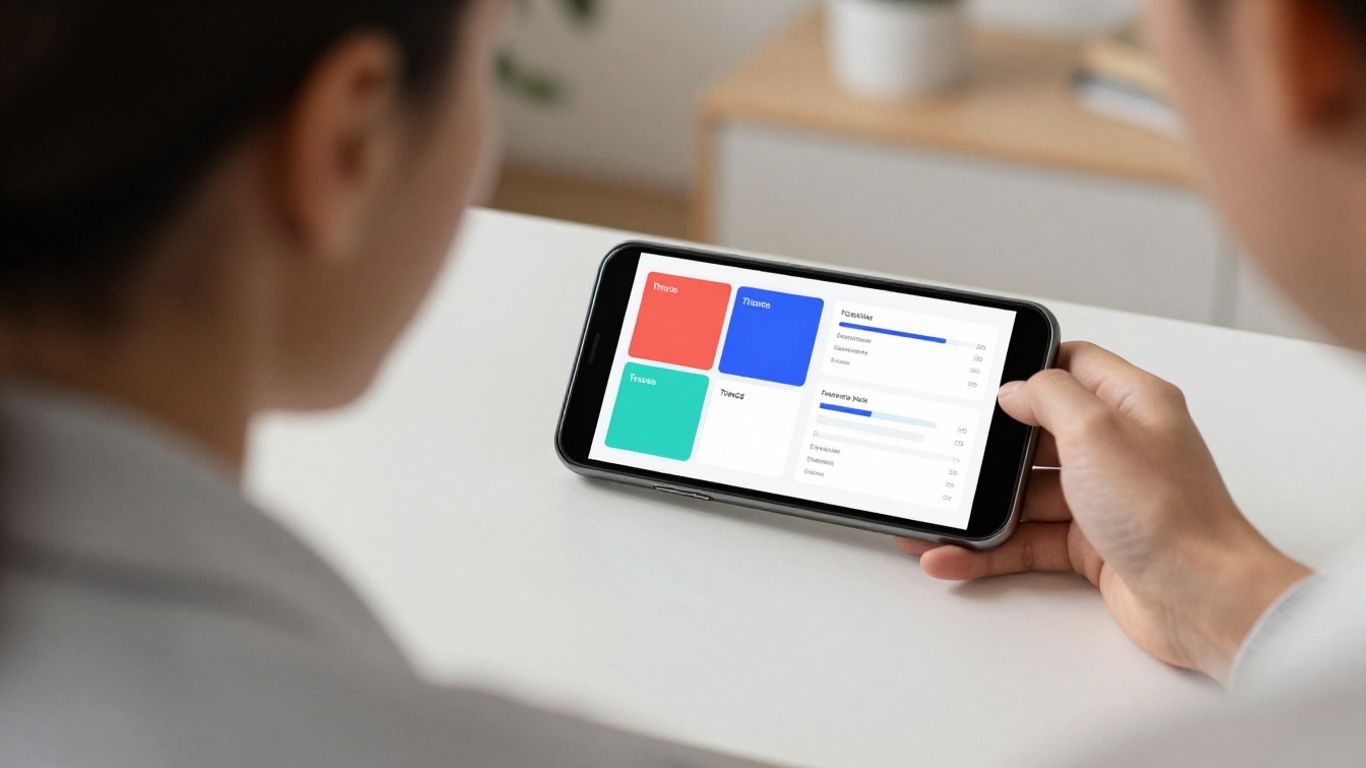
MoodMash data logging and visualization tools
MoodMash offers a system where you input data points periodically throughout the day. These entries allow the app to generate charts and heat maps that correlate specific activities with your reported emotional baseline. It is a stark contrast to casual wellness tools, acting more like a digital SEO content optimization audit but for your own personal wellbeing. By keeping the logs simple, the platform ensures you spend your time reviewing trends rather than struggling with inputting complex information.
Calm's library of guided sessions and sleep narratives
Calm provides a structured archive of audio content that users can browse based on their current needs. Whether you are looking for morning focus sessions or bedtime wind-down stories, the sheer variety of content is intended to keep engagement high. This library-first strategy ensures that anyone needing a quick escape has immediate access to professional guidance. The following benefits describe typical user pathways when engaging with these collections:
- Daily guided meditations for lowering baseline cortisol levels
- Specialized sleep narratives for those struggling with evening restlessness
- Instructional courses designed to teach beginners the basics of diaphragmatic breathing
- Soundscapes that provide an immersive background for concentration tasks
These sessions are distinct from the tracking features of other apps, as they focus entirely on the present experience rather than retrospective analysis.
Unique platform integrations and third-party compatibility
Both types of apps attempt to fit into your existing digital ecosystem by syncing with wearable devices. While some users might be cheering as if watching Jalen Brunson at game time when they hit a new streak, the real value lies in the background data syncing. Connecting your physical health metrics to your wellness app can show how movement influences mood. Just be careful not to fall for complex payment schemes, similar to how one might research ShoeResidence before committing to a designer purchase, ensuring the integration you get is worth the subscription price.
Evaluating user interface and daily friction
Assessing the simplicity of rapid entry for MoodMash
Rapid entry is the backbone of any tracking tool that hopes to stick. If the process of logging an emotion takes more than ten seconds, you are significantly less likely to finish your weekly summary. MoodMash excels here by minimizing menu navigation, ensuring that you can log your state during a quick break or while commuting. This efficiency allows you to build a data-driven wellness profile without it feeling like a secondary job that consumes your limited downtime.
The sensory immersion of Calm's visual design
Calm uses deliberate color palettes and minimalist layouts to trigger a sense of calm even before you hit play. The visual environment is meant to mimic the feeling of a quiet sanctuary, making it easy to engage with the app without feeling over-stimulated. When you pull up the home screen, the subtle animations invite you to take a breath. It is a thoughtful design strategy that avoids the cluttered feel often found in productivity-focused trackers.
Notification strategy and daily engagement requirements
Both apps utilize push notifications to keep you on track, though their goals for these pings differ entirely. A tracker might remind you to log your status, whereas a meditation app might suggest a daily session to keep your streak going. Finding a balance is vital, as excessive pings can quickly turn a helpful tool into a source of frustration. You want the app to be a gentle nudge rather than an insistent taskmaster demanding your immediate attention.
Customization versus guided learning

Tailoring MoodMash to identify personal triggers and patterns
MoodMash allows users to customize their tags, which is essential for identifying specific triggers. You might find that your mood drops every Tuesday, or that your stress levels spike after particular types of meetings at work. This high level of customization makes it possible for the app to grow alongside your evolving life, provided you dedicate the time required for consistent entries. Analyzing these patterns can be transformative as you develop a more nuanced understanding of your own mental environment.
Following Calm’s structured courses for emotional regulation
Calm provides guided paths that hold the user accountable through a set course structure. Instead of creating your own regimen, you follow a pre-planned syllabus that builds upon earlier lessons in order to teach regulation tactics. This is often the preferred choice for those who are unsure where to start. It removes the guesswork and provides a feeling of progress that is inherently rewarding during a long, stressful year of effort and practice.
Balancing self-reflection with expert-led meditation techniques
Integrating both styles of wellness care can produce the best results for a busy individual. The table below outlines how these two paths complement one another within a standard weekly routine.
| Feature Type | MoodMash Strategy | Calm Strategy |
|---|---|---|
| Core Methodology | Retrospective data analysis | Proactive audio practice |
| User Engagement | Independent log entry | Passive content consumption |
| Outcome Goal | Identifying personal triggers | Mastering relaxation techniques |
By leveraging the data-heavy insights from trackers alongside the calming influence of guided meditation, you create a balanced approach to your mental health. This combination addresses both the need for self-awareness and the requirement for immediate tools to handle stress at a moment's notice.
Pricing models and subscription value
Understanding the tier structure of MoodMash
MoodMash typically adopts a model that prioritizes access to historical data reporting. You might find that a basic entry level is free, but deeper pattern identification requires a monthly payment. Evaluating this tier structure starts with whether you actually intend to look at your data once it is recorded, as paying for charts you ignore provides very little actual value to your daily wellness routine.
The return on investment for Calm’s premium content library
Calm often bundles its premium features into a single tier which gives you unrestricted access to the entire audio inventory. For someone who uses the app for daily sleep help or morning meditation, the cost per hour of usage often drops well below the price of a single physical seminar. This type of meditation app review research shows that users who utilize library features across the whole year get the highest return on their subscription investment.
Determining which payment model fits your long-term wellness budget
Deciding between subscription models comes down to how permanent a change you are looking to make. If you are experimenting with digital wellness, start with a lower investment tier or a free trial period. If a platform provides tangible benefits to your sleep or stress management after three weeks, extending to an annual subscription often provides the best value. Regardless of the brand you pick, prioritize those that offer clear cancellation policies, allowing you to walk away if the tool no longer serves your current needs.
How to choose based on your specific needs
Scenarios favoring a data-driven mood tracker
Choose a tracker if you find yourself unable to pin down why you feel a certain way. If you notice persistent trends or suspect that outside factors are dictating your mood, a tracker provides the evidence you need to make changes in your life. This analytical approach is perfect for those who enjoy having a quantified view of their personal growth.
Situations where a guided meditation app is superior
Use a meditation app if your primary goal is immediate relief from stress. These tools are far more effective when you are looking for a quick, expert-led intervention to help you calm down during a busy day. They function as a stress management guide right in your pocket, allowing you to reset your focus whenever you feel overwhelmed or distracted.
Identifying your primary mental wellness goals for app selection
Take a moment to write down what success looks like for you. Do you want to see a chart of your emotional history, or do you want to feel more relaxed by tomorrow morning? Your answer will largely determine which direction is better for you. Once you have a clear goal, check the features of a few providers, keeping in mind that the best tool is the one you actually use without feeling forced or burdened by it.
Conclusion
Finding the right digital support for your mental wellness journey is fundamentally about matching your daily needs with the specific methodologies provided by these apps. Whether you find value in the analytical rigor of tracking your emotions or the immediate calming influence of guided audio sessions, the path you choose should feel like a relief rather than a chore. By identifying your goals and testing these tools within your routine, you can build a more sustainable and effective wellness strategy that supports you throughout the coming year.
Frequently Asked Questions
Is mood tracking actually effective for mental health?
Tracking is generally viewed as an effective way to improve self-awareness. By documenting daily feelings, individuals often find patterns that help them understand what triggers their stress or boosts their joy over time.
Does guided meditation require any previous experience?
No, meditation apps are specifically designed with beginners in mind. Most offer introductory courses that walk you through the basics of the practice, assuming you have zero prior knowledge or training.
Can I use these apps in place of a therapist?
Digital wellness apps are not a substitute for professional clinical care. While they can provide helpful daily habits and relaxation techniques, they should never be used as a replacement for working with a licensed mental health professional when dealing with serious issues.
Do I need to use the app every single day to see benefits?
Regular usage often helps build a stronger habit, but you do not need to be perfect to benefit. Many users report positive experiences by practicing at their own pace, even if it is only a few times per week.
Should I pay for a subscription if a free version exists?
It depends on whether you utilize the locked premium content. If you find the regular sessions or basic tracking insufficient for your needs, the upgrade might be worth it. Test the free version thoroughly before committing to any long-term payment plan.
How long should a meditation session last for a beginner?
Most experts recommend starting with very short sessions of three to five minutes. This helps prevent burnout and allows you to build a habit without feeling overwhelmed by the duration or effort involved.
Is it normal to feel frustrated when starting a new practice?
It is completely common to feel a bit awkward or frustrated when beginning a new routine. These systems are meant to be experimental, and your experience will likely adjust for the better as you become more familiar with the tools and techniques.