
The Link Between Sleep, HRV, and Your Daily Mood (What the Data Shows)
Key Takeaways
Understanding how your nightly rest impacts your emotional state allows for better health decisions. The following points summarize the essential factors for tracking and improving your well-being.
- Sleep architecture directly influences your capacity for daily emotional regulation.
- HRV serves as a physiological indicator of nervous system balance and recovery.
- Tracking daily trends helps identify personal correlations between habits and mood.
- Consistent sleep hygiene is foundational for stabilizing your baseline emotional health.
- Professional guidance remains necessary when patterns of sleep and mood distress persist.
Understanding the science of sleep, HRV, and mood
Daily emotional stability relies heavily on the quality of rest we receive each night. When we look at the brain, the interaction between sleep cycles and nervous system recovery creates a foundation for how we react to stressors throughout the day. By monitoring these vital metrics, we can gain a clearer perspective on our internal health.
The role of the autonomic nervous system in emotional stability
The autonomic nervous system acts as the control center for our emotional responses during rest. When operating effectively, it maintains a balance between the sympathetic and parasympathetic states, allowing the body to recover from daily demands. Proper sleep ensures this system remains responsive, preventing the hyperarousal often seen in high-stress states.
Defining the bidirectional link between sleep health and mental wellbeing
There is a deep connection between how well we sleep and our susceptibility to emotional shifts. This relationship works both ways; persistent anxiety can fragment our sleep, while poor sleep quality often leaves us more irritable and less equipped to handle stressors the next day. Acknowledging this cycle is the first step toward managing your personal wellbeing.
Why modern data collection is changing how we view health
Data collection tools have made it easier to track how specific lifestyle choices influence our resilience over time. When using MoodMash Feel The Difference, you can aggregate multiple data types to see how quiet habits impact your physical and emotional baseline. This granular approach moves health tracking beyond simple guesses into actionable, data-informed living.
How heart rate variability serves as a digital mirror for your nervous system
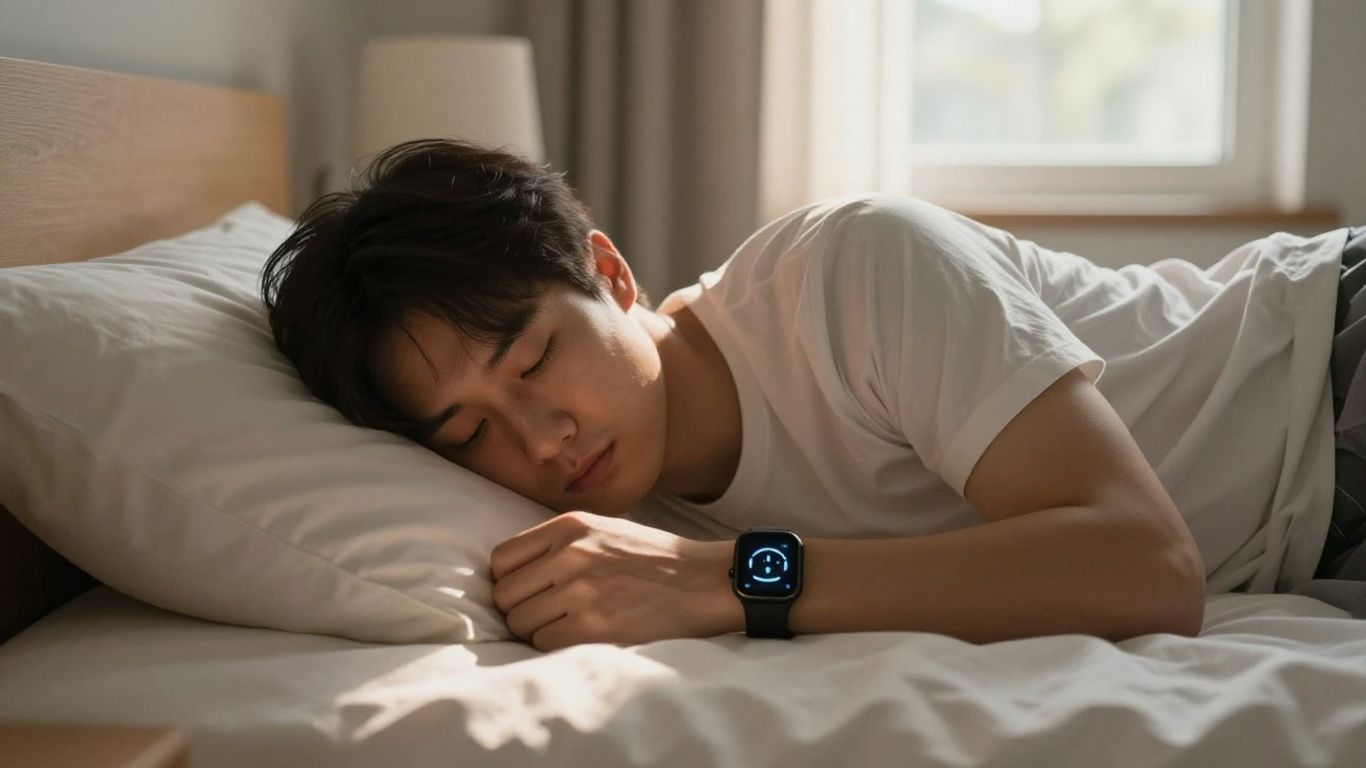
Heart rate variability, or HRV, provides a unique look at how your body handles physical and emotional stress. Rather than just tracking a simple pulse, this metric maps the subtle oscillations that indicate nervous system tone. It acts as an objective baseline for your overall recovery status after a long day.
What exactly is heart rate variability and why does it fluctuate
HRV measures the consistency in time intervals between consecutive heartbeats. High variability is typically associated with a healthy, adaptive nervous system that can shift smoothly between rest and activity. Fluctuations occur throughout the day based on exercise, hydration, and even subtle changes in your stress response.
Interpreting high versus low HRV scores during deep sleep
High HRV during deep sleep suggests that your body has entered a state of profound physiological restoration. Conversely, a suppressed HRV during rest can be a signal that the body is working to process high levels of external or internal pressure. Interpreting these trends helps in understanding the physiological cost of stress during recovery cycles.
External factors that influence your baseline HRV metrics
Many variables beyond just sleep quality alter your HRV baseline throughout the week. Factors such as room temperature, diet, and late-night social engagement can shift these numbers unexpectedly. Maintaining consistent data points allows you to distinguish between temporary environmental influences and chronic health shifts.
Analyzing the relationship between sleep architecture and emotional regulation
Sleep is far more than a simple shutdown mode for the brain; it is a complex architecture of cycles that repair our mental and physical state. Researchers have noted that sleep disturbance acts as a sensitive indicator for how our nervous system processes the events of the day. By understanding these stages, you can better appreciate why seven hours of fitful sleep never matches seven hours of restorative, deep rest.
The impact of REM sleep on processing emotional memories
REM sleep is essential for the cognitive processing of negative emotions and challenging memories. During this phase, the brain untangles the emotional labels attached to recent events, which stabilizes our reactions for the following day. When this cycle is cut short, individuals often find themselves more reactive to minor irritations.
How non-REM stages contribute to physical and mental restoration
Deep, non-REM stages of sleep serve as the primary window for physical healing and memory consolidation. This is the period where the body repairs tissues and the brain clears out metabolic waste. Protecting these stages is crucial for maintaining the stamina needed to regulate moods effectively during waking hours.
Consequences of fragmented sleep on daily emotional reactivity
Fragmented sleep causes a significant breakdown in impulse control and emotional regulation. Because the brain cannot move efficiently through its full restorative cycle, the prefrontal cortex becomes less capable of overriding the amygdala's more volatile responses. Over time, this leads to an accumulation of cognitive fatigue that clouds decision-making.
Leveraging a sleep and mood tracker to uncover personal trends

Using a dedicated tracker helps transform raw data into a narrative about your personal health trajectory. Establishing a regular routine allows you to notice when your mood starts to drop before it becomes a major issue. With the robust features in MoodMash, users can centralize their tracking to identify these hidden lifestyle patterns.
Identifying correlations between sleep duration and subjective mood reports
You may notice that even small changes in your sleep duration have a massive impact on your reported mood. Tracking these variables together reveals how sensitive your emotional stability is to minor disruptions. To organize these findings, compare your metrics against the following standard recovery table:
| Observation Phase | Average Sleep Duration | Mood Stability Score |
|---|---|---|
| Optimal Window | 7.5 - 8.5 Hours | High Stability |
| Moderate Recovery | 6.5 - 7.0 Hours | Mild Fluctuation |
| Sleep Deprivation | Under 6 Hours | Frequent Reactivity |
Setting up a successful data journaling routine
Creating an effective habit requires simplicity and consistency in your daily logging. Consider including these core elements in your routine to ensure you get the most out of your tools:
- Log your bedtime to identify evening habits that delay rest
- Note any caffeine consumption timings
- Record your subjective mood immediately upon waking
- List any significant stressors from the prior day
Privacy considerations when using health tracking technology
When managing sensitive health logs, privacy remains a paramount concern for all users. It is essential to ensure that your data remains encrypted and that you maintain full control over who can access your personal health reports. Platforms like MoodMash provide secure, professional-grade environments for tracking your wellness without compromising your personal digital information.
Practical strategies for improving HRV and mood through better sleep hygiene
Improving your HRV and mood necessitates a thoughtful approach to the evening environment. By curating your surroundings, you can signal to your nervous system that it is time to transition into a calm, restoration-focused state. This proactive shift facilitates better recovery, which ultimately sustains a more balanced mood throughout the next day.
Optimizing your evening environment for higher recovery scores
Lowering the ambient temperature in your bedroom can significantly increase your time spent in deep sleep. Keeping screens away an hour before bed also helps maintain natural melatonin production, reducing the late-night overstimulation that often degrades HRV scores. A quiet, dark sanctuary provides the physical conditions necessary for a superior grade of autonomic recovery.
Utilizing HRV feedback to adjust daily exercise intensity
If your HRV readings show a consistent downward trend, your body may be signaling that it needs a day of lower-intensity movement. Instead of pushing through a heavy workout, opt for a guide to box breathing or light stretching to support recovery. Aligning your activity with your daily nervous system readiness helps prevent the onset of physical burnout.
Developing consistent sleep-wake cycles to stabilize mood
Irregular sleep-wake patterns create a phenomenon known as social jetlag, which forces your circadian rhythm to constantly reset. Attempting to wake up and go to sleep within the same one-hour window every day helps stabilize your metabolic processes and emotional baseline. Consistency is a powerful tool for improving emotional wellness and overall cognitive resilience.
Recognizing warning signs when sleep and mood patterns diverge
Sometimes, even the most meticulous efforts toward better sleep hygiene might not yield the expected emotional stability. Recognizing when your data shows a divergence between adequate sleep and declining mood is essential for long-term health. These signals are often the clearest indicators that your nervous system is struggling to process the level of stress it faces.
Persistent dips in HRV despite adequate sleep duration
A persistent, unexplained dip in HRV can indicate underlying systemic stress that sleep alone cannot resolve. When this happens despite a consistent 8-hour schedule, it may be time to evaluate lifestyle stressors or external health factors. Pay close attention to these signals as they often precede more noticeable mood swings or physical illness.
Distinguishing between temporary fatigue and chronic stress burnout
Temporary fatigue usually resolves after a few nights of restorative sleep or a restful weekend, whereas burnout feels like a heavy, persistent emotional fog. Chronic burnout often impacts your internal motivation and your ability to find joy in daily tasks regardless of how much sleep you obtain. Differentiating between the two helps you determine whether you need a minor adjustment or a more significant change in your daily routine.
When to consult a professional regarding sleep disturbances and mood
If your sleep patterns remain erratic for several weeks or if your mood dips interfere with your ability to function daily, seeking expert help is the right decision. Professional health providers can assist in differentiating between environmental issues and potential underlying mental health challenges. Do not hesitate to engage with a counselor or a sleep specialist if your own tracking indicates that your quality of life is declining.
Conclusion
Managing the intricate dance between sleep architecture, HRV, and daily mood requires both diligent tracking and an openness to adjusting your habits in real time. By prioritizing restorative rest and using data to inform your lifestyle decisions, you can slowly cultivate a more resilient nervous system that buffers against the stresses of modern existence.
Frequently Asked Questions
Does sleeping more always improve my heart rate variability?
While longer sleep duration is generally beneficial, the quality of that sleep—measured by time spent in deep and REM cycles—is the true driver of improved HRV. Simply spending ten hours in bed does not guarantee better physiological recovery if the sleep is fragmented or light.
Can afternoon napping help balance my daily mood?
Strategic napping can be useful for acute fatigue, provided it does not disrupt your ability to fall asleep at night. Aim for short cycles of 20 minutes to avoid the grogginess associated with entering deep sleep during the day.
How soon should I notice changes in my mood after fixing my sleep habits?
Most individuals begin to report subtle improvements in energy and focus within three to five days of consistent, high-quality sleep. However, deeper emotional stabilization typically happens after several weeks of maintaining a stable rhythm.
Is HRV a reliable metric for people with chronic health conditions?
HRV is a valuable tool for tracking nervous system trends, but it should be viewed in context for those with chronic conditions. It is important to discuss your HRV data with a healthcare professional to understand what specific fluctuations mean for your overall health profile.
Does exercise improve HRV immediately?
Recovery after exercise involves a temporary decrease in HRV followed by a period of super-compensation where your metrics should rise if your body is recovering well. Monitoring how your resting HRV responds across the 24 hours post-workout gives the best insight into your physical adaptation.
Should I worry about small daily fluctuations in my mood?
Minor daily mood fluctuations are a natural part of being human and responding to life events. Monitoring is only useful for identifying recurring negative patterns that become persistent rather than focusing on every temporary emotional shift.
Can tracking my mood and sleep increase my anxiety?
For some, over-focusing on data can create a feedback loop of stress. If you find yourself checking metrics obsessively or feeling anxious about falling short of targets, consider tracking less frequently to keep the process helpful rather than burdening.